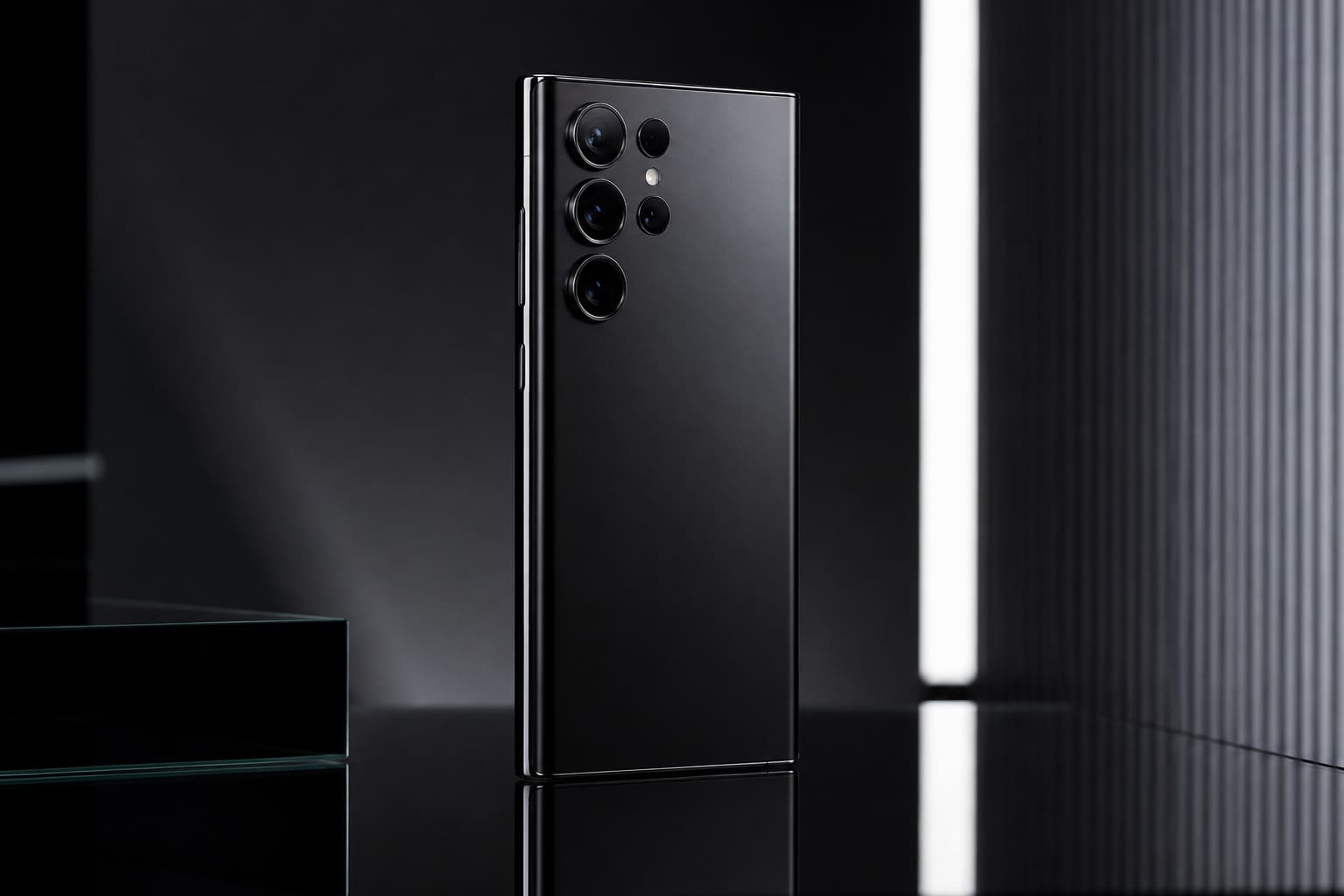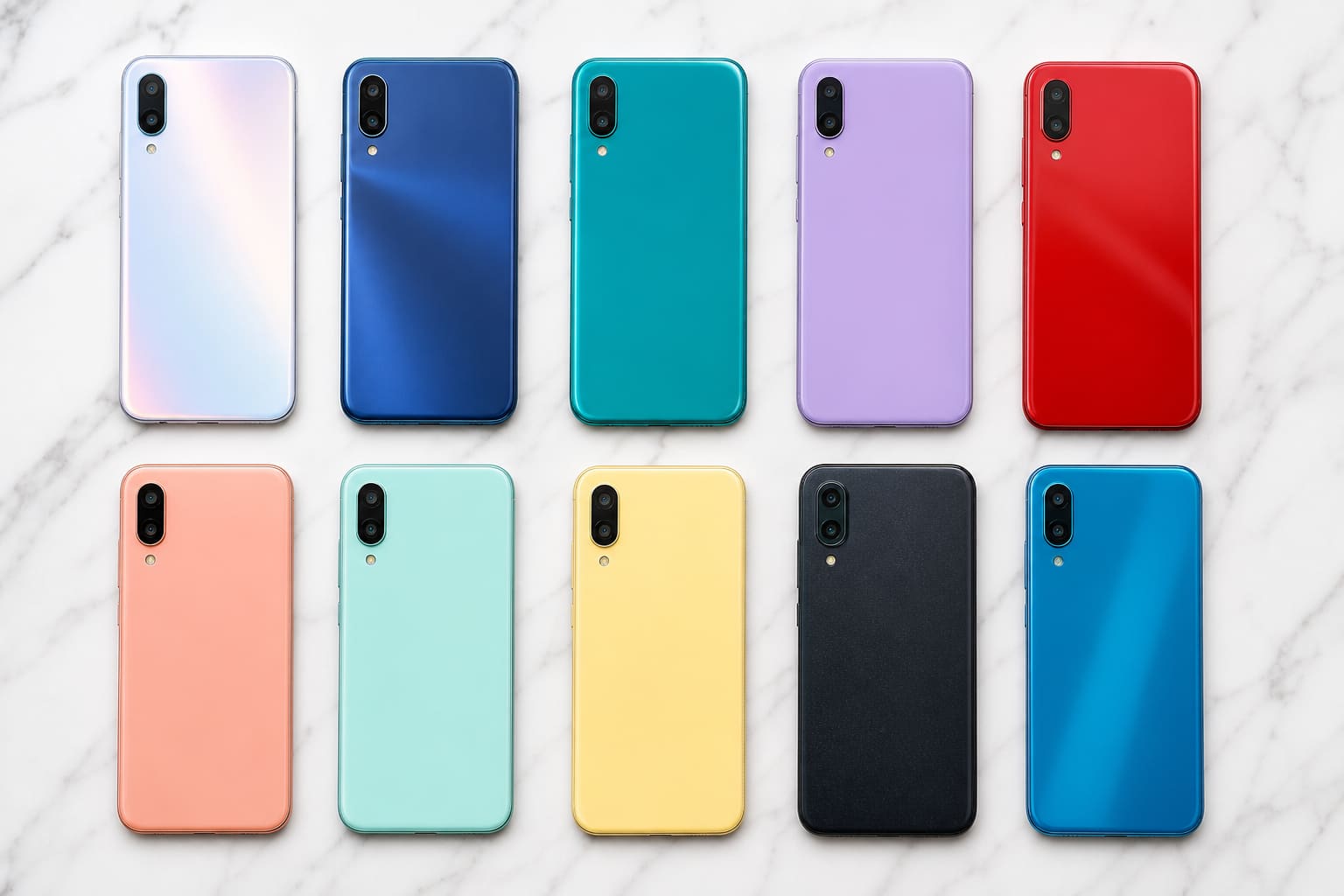
The budget phone category has a branding problem. “Budget” sounds like compromise. In 2026 it often means “everything you need and none of the jewellery.” High refresh-rate displays, 5G, multi-day batteries and computational photography trickle-down have landed in handsets under £300 that would have embarrassed flagships five years ago. The trick is knowing which corners were cut — and whether those corners matter to you.
We tested six phones over four weeks of real use: commuting on London Underground, shooting in low pub light, gaming on train journeys and running them down to empty to test battery claims. Prices are UK RRP or typical street price as of February 2026. All support NFC for contactless, USB-C charging and at least two Android version upgrades from their makers — verify carrier SKUs before buying, as supermarket bundles sometimes ship older chipsets.
How we judge phones under £300
At this price we weight battery and display above telephoto zoom and wireless charging. A phone that dies at 4pm fails regardless of its macro lens. We also score software support: a £279 handset that stops getting security patches in eighteen months is a false economy. Build quality matters — creaky plastics and mushy buttons age poorly — but we forgive plastic backs if the frame is rigid and the screen is protected by Gorilla Glass Victus or equivalent.
Camera expectations are calibrated. These phones take excellent photos in daylight and acceptable photos at night. None replace a dedicated camera. All replace a point-and-shoot from 2015 without embarrassment. We publish sample galleries in our full reviews; here we summarise behaviour in plain terms.

1. Motorola moto g85 5G — best all-rounder (£249)
Motorola’s g-series has quietly become the default recommendation for people who ask “what phone should my parents get?” The g85 5G earns that role with a 6.7-inch pOLED display at 120Hz, Snapdragon 6s Gen 3 chip and a 50MP main camera with optical image stabilisation — rare at this price. It is not fast in the way a flagship is fast. It is never frustrating for WhatsApp, Maps, iPlayer and light games.
Battery life was the standout: two days with moderate use, one heavy day with navigation and podcast streaming. 30W wired charging hits 50% in roughly half an hour. The stereo speakers are listenable. Motorola’s software is close to stock Android with useful additions — chop-chop torch, ready-for desktop — and no aggressive skin. Downsides: ultra-wide camera is soft, macro lens is mostly decorative, and Motorola’s update promise is three years of security patches — acceptable but not class-leading.
2. Nothing Phone (3a) — best design and daily joy (£299)
Nothing’s (3a) is the phone people notice on a desk. The transparent back and Glyph Interface are polarising — you either love the light show or disable it day one. Underneath the theatre is a solid mid-ranger: Snapdragon 7s Gen 3, 120Hz AMOLED, 50MP dual camera with a respectable main sensor and clean Nothing OS built on Android 15.
Photos in daylight punch above price. Night mode is slower than Pixel but produces shareable results if your subject holds still. Performance is smoother than the g85 for multitasking. Battery is a full day, not two — the price of a thinner chassis. If you care how your phone feels in hand and looks on a table, this is the pick. If you need maximum stamina, buy the Motorola.
3. Samsung Galaxy A35 5G — best software longevity (£219)
Samsung’s A-series is the corporate fleet special for a reason. The Galaxy A35 5G offers four years of OS upgrades and five years of security updates — unmatched under £250. Exynos 1380 chip is adequate, not exciting. 6.6-inch Super AMOLED at 120Hz is excellent. Camera is a dependable 50MP main plus uninspiring ultra-wide.
What you are buying is the Samsung ecosystem on a budget: Knox security, DeX if you care, Galaxy Watch pairing, predictable One UI. It feels slightly slower launching the camera than the Motorola. It will still receive patches when the Motorola is retired. For buyers who keep phones four years, that maths matters.
“Mid-range smartphones now account for the largest share of global shipments — the ‘good enough’ phone is no longer a compromise category.”
— Counterpoint Research, global smartphone market commentary, 2025
4. Google Pixel 8a — best camera under £300 (£279)
The Pixel 8a is last year’s Tensor G3 in this year’s value wrapper. Google’s computational photography still wins night scenes and portrait edge detection at this price. The 6.1-inch 120Hz OLED is smaller than rivals — good for small hands, tight for spreadsheets. Performance is fine for everything except sustained gaming; Tensor runs warm under load.
Battery lasts a day with headroom if you are not gaming. Charging is a sluggish 18W wired — plan overnight. Seven years of OS updates from launch is the headline that keeps the 8a relevant when raw speed does not. If photography is your primary phone use and you can live with overnight charging, this is the camera bargain.

5. Xiaomi Redmi Note 14 Pro 5G — best specs per pound (£279)
Xiaomi loads specifications like a buffet. The Redmi Note 14 Pro 5G brings a 200MP main sensor (that outputs sensible 12MP and 50MP bins), 67W charging, IP64 splash resistance and a curved 6.67-inch AMOLED. HyperOS is improved but still busier than stock Android — expect occasional promotional notifications unless you disable them.
Camera results are sharp in good light and over-processed in HDR scenes. Zoom is digital only and mediocre. Gaming performance from the Dimensity 7300 Ultra is strong for the class. If you want the most numbers on a box for your money and do not mind tweaking settings to tame MIUI/HyperOS quirks, Xiaomi delivers.
6. Nokia G42 5G — best for simplicity and repair (£199)
HMD’s Nokia G42 5G is the sober choice. Snapdragon 480+ is the slowest chip here. 6.56-inch 90Hz LCD is not OLED — colours are duller, blacks are grey. Yet the phone is easy to live with, supports quick-fix replaceable parts in some markets and ships with a clean Android experience and three years of updates.
At under £200 on promotion it is the handset you buy for a teenager, a spare, or anyone who treats phones as appliances. Camera is basic. Battery is a reliable day and a half. It will not impress anyone at a pub. It will survive being treated indifferently, which for some households is the actual requirement.
Accessories and longevity tricks
A £20 TPU case and a tempered glass screen protector extend a budget phone’s cosmetic life more than any spec bump. Mid-range Gorilla Glass is tough but not invincible on pavement drops. Replaceable battery phones are rare in 2026 — the Nokia comes closest to user-serviceable philosophy — so treat battery health kindly: avoid cooking the phone under a pillow while fast-charging overnight if you want maximum cycles.
eSIM support varies. Motorola, Google and Samsung support dual eSIM or eSIM plus physical on most SKUs here; verify before travelling. NFC payment works on all six picks — essential for leaving the house without a wallet. None of these phones ship with a meaningful charger in the box except occasional Xiaomi promos; budget £15–25 for a decent 30W+ USB-C PD brick.
What to avoid and how to buy smart
Avoid unknown brands on marketplace listings with no update policy. Avoid 64GB storage in 2026 — system files and apps consume too much headroom; 128GB is the minimum we recommend. Check 5G band support against your operator if you live outside major cities; some budget SKUs omit bands used by Three and O2 in rural areas.
Buy unlocked if you can. Carrier deals that look cheap often hide older models or subscription lock-in. Sales events around February, August and Black Friday regularly drop these prices by £30–£50. If you do not need a phone today, waiting for a promotion on the Motorola or Samsung usually pays. We retest this list quarterly; chipset refreshes land fast in the sub-£300 band, and yesterday’s winner can become tomorrow’s also-ran without warning.
Verdict
Why buy budget in 2026
- 120Hz OLED is now standard, not luxury
- Battery often beats flagships
- Less financial pain if you drop it
What you still give up
- Telephoto zoom and premium video
- Wireless charging on most models
- Flagship chip speed for heavy gaming
Sources
- Motorola, moto g85 5G specifications — motorola.co.uk
- Google, Pixel 8a product page and update policy — store.google.com
- Samsung, Galaxy A35 5G support lifecycle — samsung.com