Samsung’s Ultra line has always been a kitchen-sink phone. The Galaxy S25 Ultra does not reinvent that formula; it polishes it until the rough spots stop catching on your thumb. I used a 512GB Titanium Grey review unit as my only handset for ten days — three days of office work in Manchester, a weekend in Edinburgh shooting architecture, and enough late-night sofa scrolling to test whether the battery claims were marketing or maths.
The headline is that this is the first Ultra in a while where the camera, the pen and the AI features feel like they belong to the same product rather than three demos stapled together. That sounds like faint praise. In practice it means fewer settings menus, fewer “try this later” notifications, and more moments where you pull the phone out, get the shot or the note, and put it away.
Design and the S Pen: still the only game in town
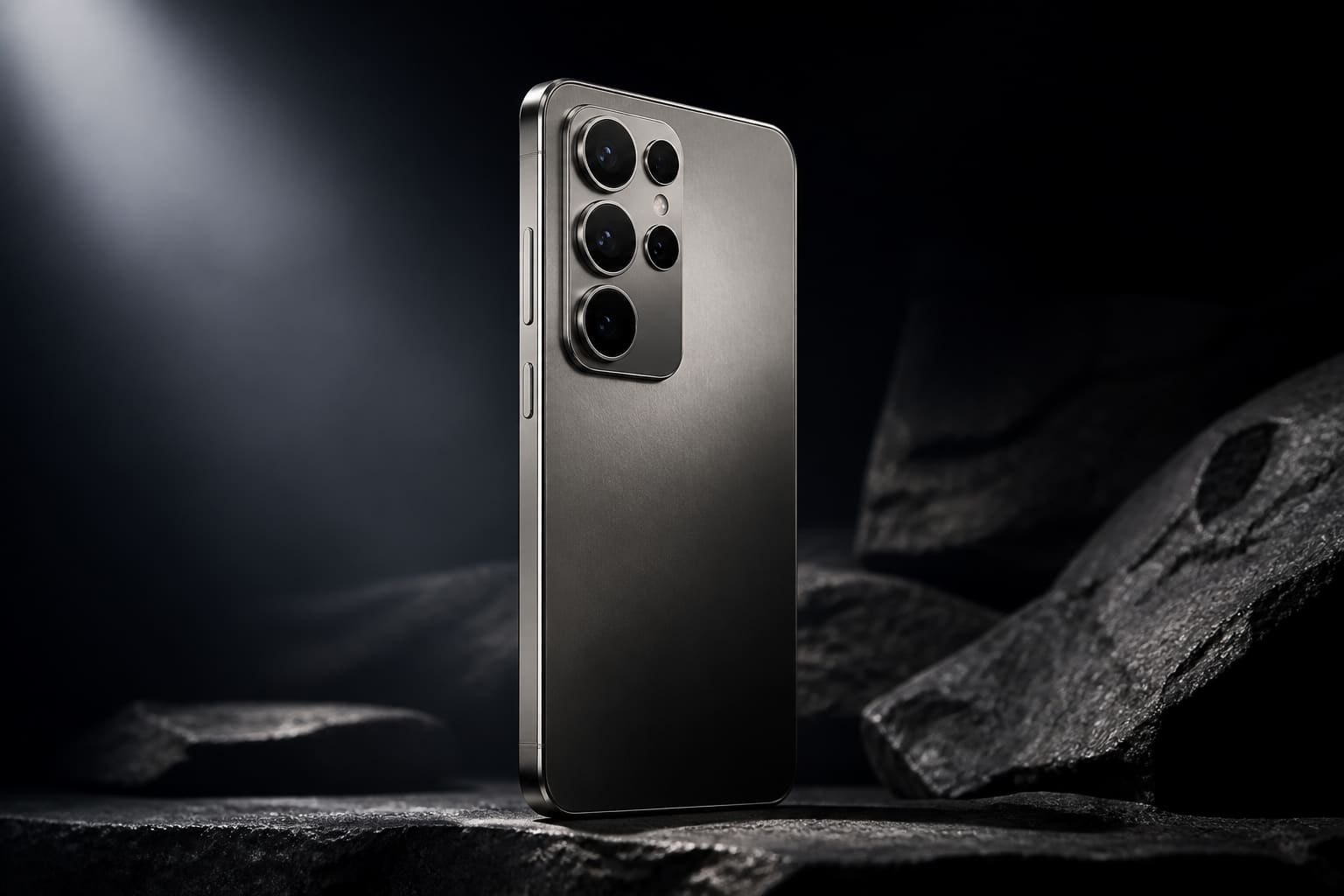
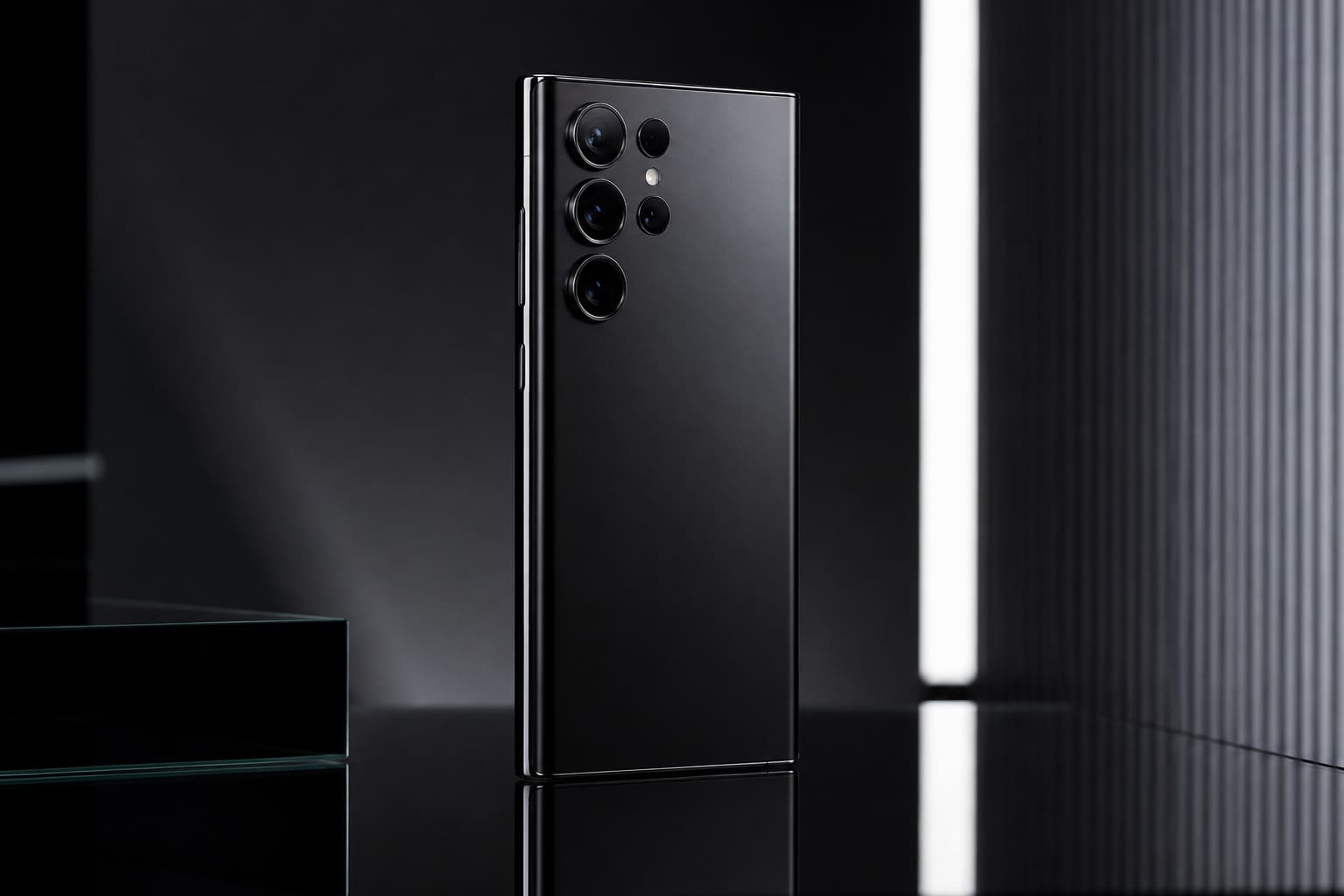
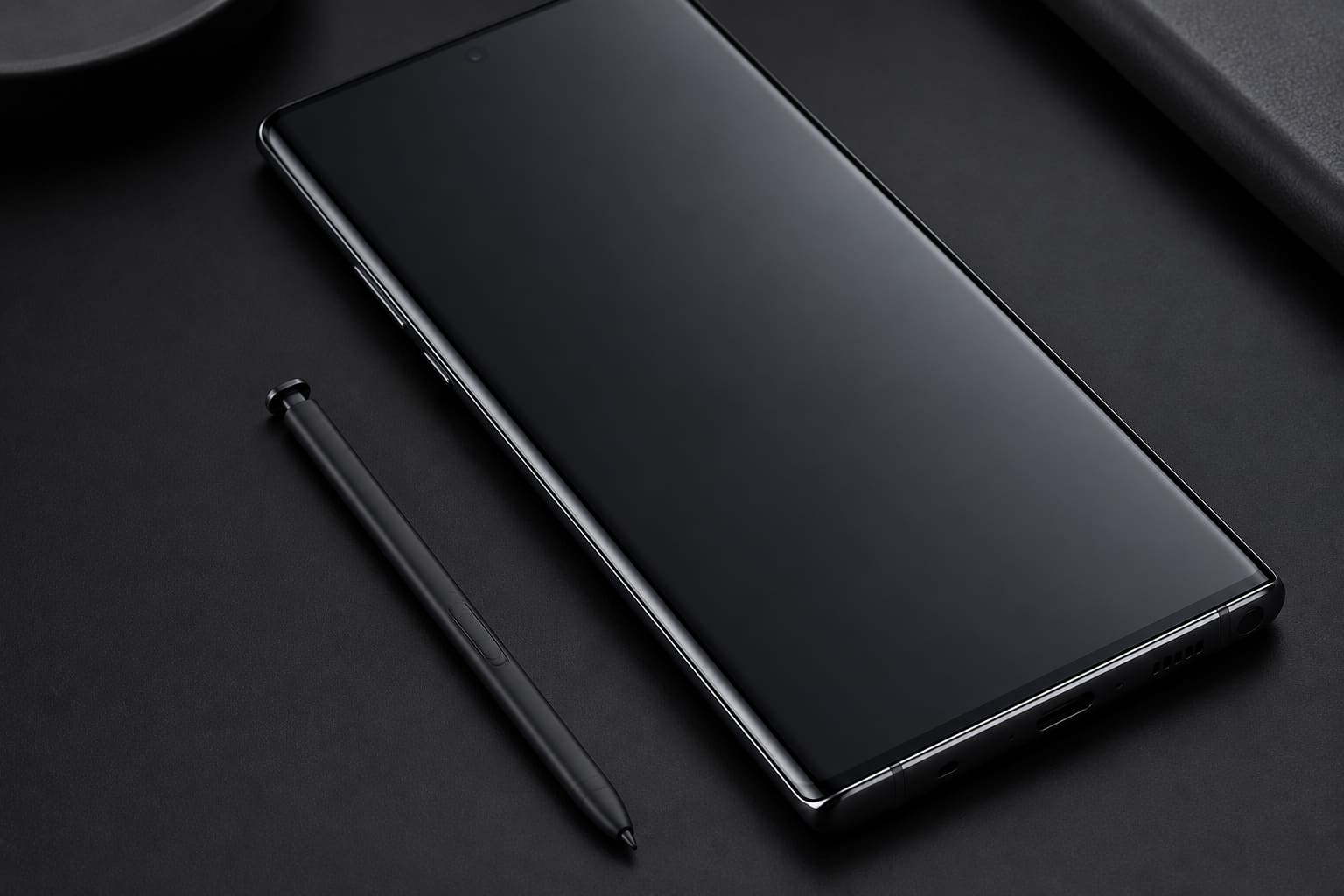
The S25 Ultra keeps the squared-off Note-adjacent silhouette that Samsung loyalists expect. Titanium framing is back, the corners are slightly softened compared with the S24 Ultra, and the flat display remains a divisive choice. If you prefer curved glass, you will not convert here. If you want a screen that does not distort at the edges when you draw with the pen, this is still the reference design.
The S Pen itself gains a hair more latency reduction — Samsung claims 40% improvement in note-taking response, and in side-by-side scribbles against last year’s unit the difference is subtle but real. Palm rejection on the 6.9-inch panel is excellent. I annotated PDFs on a train without activating random browser tabs. For anyone who signs documents, sketches wireframes or simply prefers handwriting search over thumb-typing, no iPhone or Pixel offers an equivalent. That remains Samsung’s moat.
Weight is up a few grams. You notice it in a dressing-gown pocket, not in a bag. IP68 rating survived a rain-soaked walk along Princes Street without drama. The built-in silo still ejects with a satisfying click — a small mechanical pleasure in an era of sealed slabs.
200MP main sensor and the zoom stack
Samsung has shipped 200MP sensors before. On the S25 Ultra they finally feel tuned rather than spec-sheet’d. In good light the main camera resolves fine detail on brickwork and fabric without the over-sharpened crunch that plagued early implementations. Samsung’s new “Adaptive Pixel” pipeline chooses 12MP, 50MP or full 200MP output depending on scene complexity and motion — you can still force maximum resolution in Pro mode, but leaving it on auto produced the results I would actually share.
The periscope telephoto now reaches 5x optical with improved stabilisation. At 10x digital zoom — Samsung’s sweet spot for moon shots and stadium rows — detail holds up better than on the S24 Ultra I had on loan for comparison. At 30x and beyond it is still computational art. Useful for identifying a house number across the street; not for printing a poster.
Ultra-wide distortion correction is improved for architectural shots. Night mode on the main sensor starts faster and preserves shadow colour better than last year, though Google’s Pixel still wins some moody street scenes for atmosphere. Video tops out at 8K/30, which remains a flex more than a workflow. Where the Ultra earns its keep is 4K/60 across lenses with consistent exposure when you punch in — vloggers switching between wide and telephoto will notice fewer brightness jumps.
“Computational photography is not about collecting more pixels — it’s about making intelligent decisions with the pixels you have.”
— Marc Levoy, former Google camera researcher, speaking at a Stanford computer graphics seminar
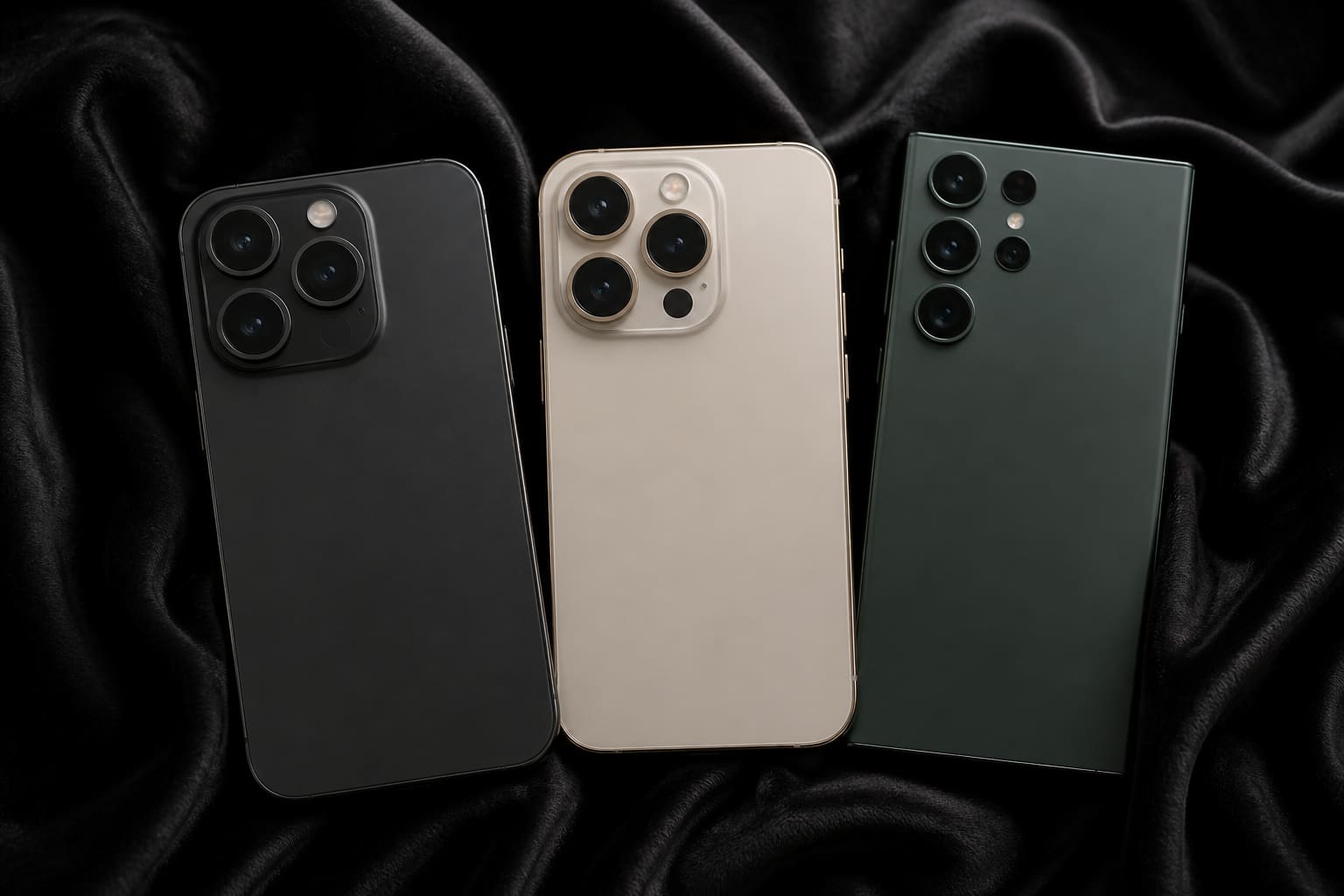
I also ran the S25 Ultra against an iPhone 16 Pro Max on a grey afternoon in Edinburgh. Apple still wins skin tones straight out of camera for portraits. Samsung wins zoom reach and flexibility. For social posts you will be happy with either; for a 5x shot of a cathedral spire from the Grassmarket, the Ultra is the tool you keep.

Galaxy AI: from gimmick to utility
Galaxy AI on the S25 generation is the first version I did not disable after setup day. Call translation worked well enough on a bilingual support line that I caught nuance I would have missed. On-device summarisation of long articles is conservative — it errs on leaving things out rather than inventing facts, which is the correct bias for a phone feature.
Photo editing tools — generative fill, reflection removal, object erase — are faster and less likely to smear textures on brick or foliage. They are not magic. A complex crowd scene still looked like a crowd scene with a blurry hole when I removed one person. For tourists cleaning up a photobomb or a rogue bin, though, the tools save a trip to desktop software.
Circle to Search is genuinely useful when you are shopping in a physical store and want to compare prices without typing model numbers. Bixby is still there, still optional. The integration win is that AI features now live inside the apps you already use — Gallery, Notes, Voice Recorder — rather than a separate “AI zone” you forget exists.
Display, speakers and the everyday niceties
The 6.9-inch Dynamic AMOLED 2X panel peaks at 2,600 nits in HDR highlights — numbers that matter when you step off a train into winter sun and still read a map. Colour accuracy in Natural mode is excellent for photo editing on the go; Vivid mode is exactly what it says on the tin. Vision Booster, Samsung’s outdoor readability tweak, works without making everything look like a bleach bypass film.
Stereo speakers are louder and cleaner than on the S24 Ultra, with less distortion at maximum volume during a kitchen podcast. Haptics are crisp. The in-display fingerprint reader is faster and more forgiving with slightly damp thumbs than last year’s optical unit. None of these features win Twitter arguments. All of them make a phone you use twelve hours a day less annoying — which is the whole point of a mature flagship.
Performance, battery and charging
The Snapdragon 8 Elite for Galaxy — Samsung’s slightly overclocked variant — handles everything I threw at it without thermal drama. Genshin Impact at high settings for 45 minutes warmed the chassis but did not throttle to slideshow. Exporting a ten-minute 4K clip with AI stabilisation applied took four minutes, down from nearly seven on the S24 Ultra.
Battery capacity is unchanged on paper, but efficiency gains show up in real days. I averaged six to seven hours of screen-on time with mixed 5G, two hours of Spotify, an hour of camera use and always-on display enabled. Heavy navigation days still ended around 25%. The iPhone 16 Pro Max still wins the transatlantic flight torture test by a few percentage points, but the gap narrowed.
Wired charging tops out at 45W with the right brick — Samsung still does not include one in the box. Wireless is 15W Qi. It is not the fastest charge on the market, but an overnight top-up leaves you with a full day. One UI 7 feels smoother than One UI 6 did at launch; fewer stutters opening the camera from lock screen.
vs iPhone 16 Pro Max: the honest split
If you live in Apple’s ecosystem — Mac, iPad, AirPods, iMessage — the iPhone remains the rational choice regardless of spec sheets. If you want the best zoom, an integrated stylus, split-screen multitasking and USB-C file management without iTunes nostalgia, the S25 Ultra is the Android phone that most credibly competes at the top.
Software support is where Apple still wins on paper: five to six years of updates versus Samsung’s four-year promise for this generation. For creatives who export ProRes from iPhone, Apple’s video pipeline is still smoother. For note-takers, spreadsheet dabblers and anyone who treats the phone as a pocket tablet, Samsung pulls ahead.
Price in the UK starts at £1,249 for 256GB. That is flagship money with no apology. Samsung often discounts within six months; if you are not an early adopter, waiting for a bundle or trade-in promo is historically sensible. We will publish a long-term six-month revisit after the One UI 7.1 update cycle to see whether Galaxy AI features deepen or plateau — early signs point to monthly feature drops rather than one launch-day bundle.
Verdict
Pros
- S Pen integration nobody else matches
- 200MP main sensor finally feels tuned
- Galaxy AI features you will actually use
Cons
- Large, heavy and expensive
- Charger not included at this price
- Ultra-wide still trails Pixel for atmosphere
Sources
- Samsung, “Galaxy S25 Ultra” product specifications — samsung.com
- GSMArena, Galaxy S25 Ultra camera and display analysis — gsmarena.com
- Apple, iPhone 16 Pro Max comparison specifications — apple.com