There is a ritual now. Every autumn a new Pro Max arrives, the internet argues about the camera bump, and then a lot of people buy it anyway. The iPhone 16 Pro Max does not break that cycle. It does something more useful: it sands down the remaining sharp edges of last year’s design and makes the camera stack feel less like a demo and more like a tool you forget you are using.
I carried the 256GB Natural Titanium unit for a week as my only phone. That included two late-night gigs, a weekend hike in the Peak District, and a London-to-New York flight where I watched two films and still landed with 28% in the tank. That last number is the one I keep coming back to. Battery is no longer a talking point. It is a personality trait.
Design: still a slab, still a statement
Titanium remains the right call. The frame picks up fewer scuffs than the old stainless steel, and the phone feels less like a paperweight in a jacket pocket. It is still huge. If you have smaller hands, the reach to the top of the display will annoy you by day three. Apple has not invented new physics.
The display is a 6.9-inch OLED with the usual ProMotion smoothness. Outdoors it stays readable in harsh noon sun. The thinner bezels from the previous generation are still here; they no longer feel like a novelty. What does feel new is how little I thought about the weight after the first commute. That is high praise for a device this large.
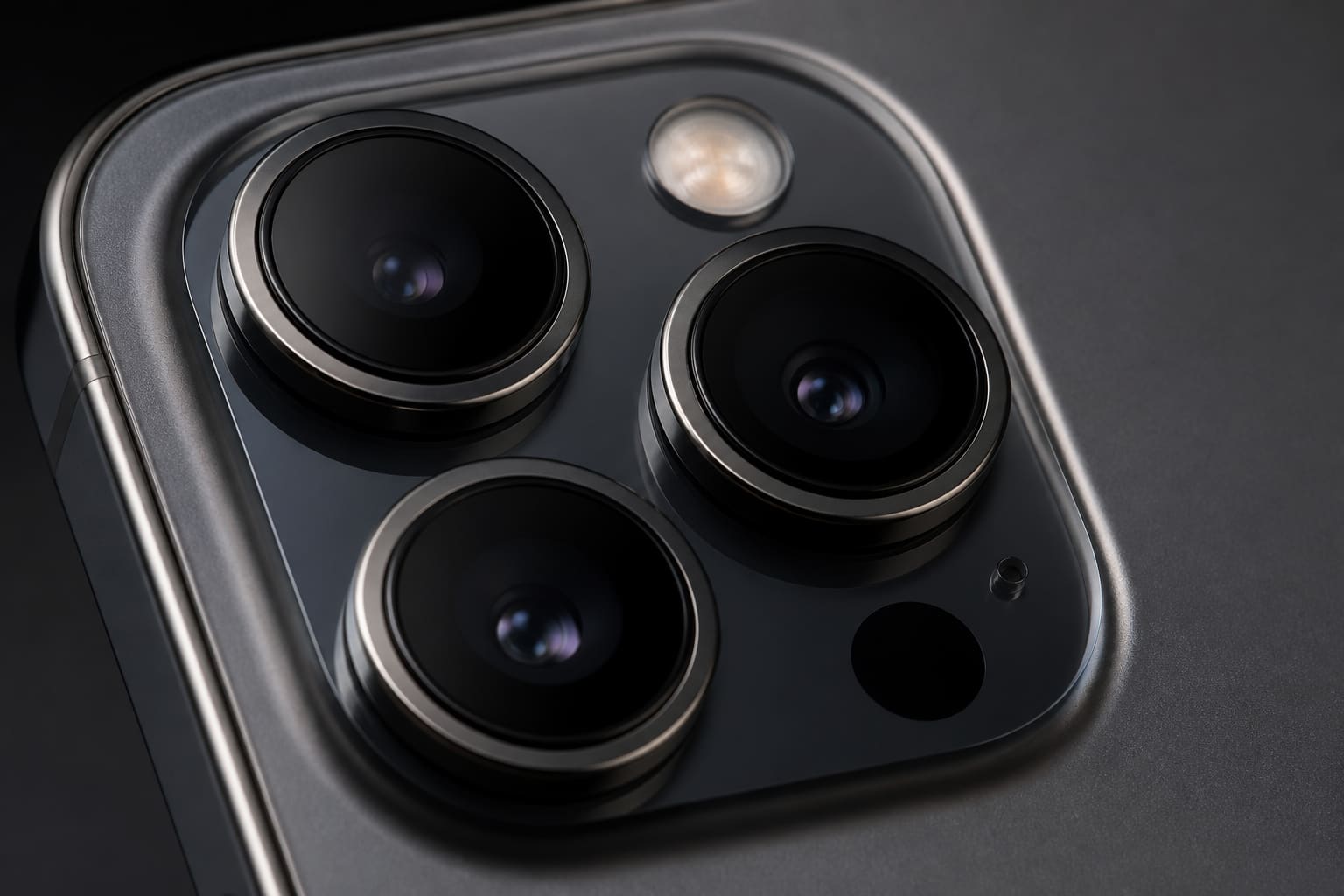
Cameras: video is the real upgrade
Stills are excellent, as expected. Skin tones stay honest in mixed pub lighting. The 5x telephoto is the lens I used most on the hike — enough reach to isolate a ridge without the wobbly digital crop of cheaper phones. Night mode is faster to settle than on the 15 Pro Max I compared it against, and it hallucinates fewer street-lamp orbs.
Video is where this generation earns the “Pro” badge. Action shots from a moving train platform held together in a way last year’s unit smeared. Spatial video remains a niche, but if you have a Vision-class headset in the house it is the one feature that makes guests go quiet. For everyone else, the win is simpler: you can hand this phone to a non-photographer and get usable 4K without a tutorial.
“The best camera is the one that’s with you — and for most people, that’s still a phone that doesn’t make them think about settings.”
— Chase Jarvis, photographer, in an interview with Time on computational photography
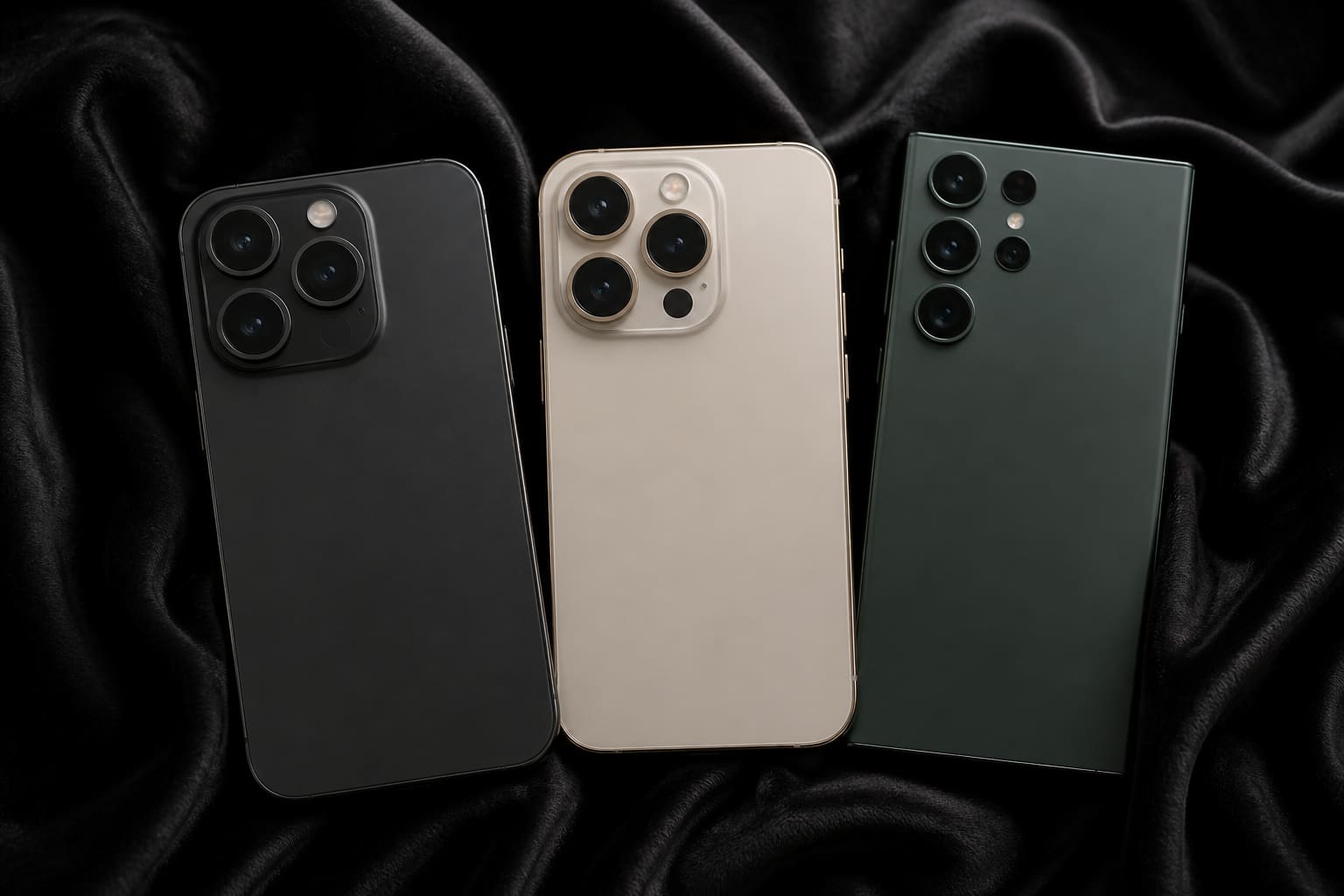
I also shot a side-by-side with a Google Pixel flagship and a Galaxy Ultra. The Pixel still wins some night street scenes for atmosphere. The Galaxy still wins raw zoom. The iPhone wins the “I need this clip in an edit tonight” test — colour science that drops into a timeline without a fight.
Performance, heat and the everyday grind
The A18 Pro chip is overkill for mail and maps, which is most of what a phone does. Where you feel it is in long 4K timelines, on-device AI clean-up, and games that would have thermally throttled a two-year-old Pro. During a 40-minute 4K export the chassis got warm, not alarming. I never saw a shutdown.
Apple Intelligence features are more coherent than last year’s first wave. Notification summaries are useful on a busy morning. Writing tools are fine for emails and still a bit eager to sand off your voice. Photographic Memories-style clean-up worked on a crowded tourist shot in Greenwich; it still struggles with complex railings. Treat it as a helper, not a miracle.
Battery and charging
I consistently ended office days above 45%. The flight test is the headline. MagSafe is still slower than the fattest Android bricks, and that remains the most valid complaint in this review. If you live on a desk pad, you will not care. If you need 20% to 80% in a taxi, a USB-C PD brick helps, but this is not a 15-minute phone.
Software and the long game
iOS remains the reason many people stay. App quality is high. The upgrade path is measured in years, not seasons. That longevity is part of the price: you are buying a device that should still get meaningful updates when a £250 Android from this year is a paperweight.
The USB-C port is now normal. I used the same cable for a laptop and this phone for the whole week. That small dignity still makes me happier than it should.
Verdict
Pros
- Battery that survives a long-haul day
- Video that just works in an edit
- Build quality and update lifespan
Cons
- Still enormous
- Charging is not class-leading
- Price leaves no room for a shrug
Sources
- Apple, “iPhone 16 Pro and iPhone 16 Pro Max” product specifications — apple.com
- Chase Jarvis, comments on computational photography, Time — time.com
- Ofcom, UK mobile coverage and consumer research — ofcom.org.uk