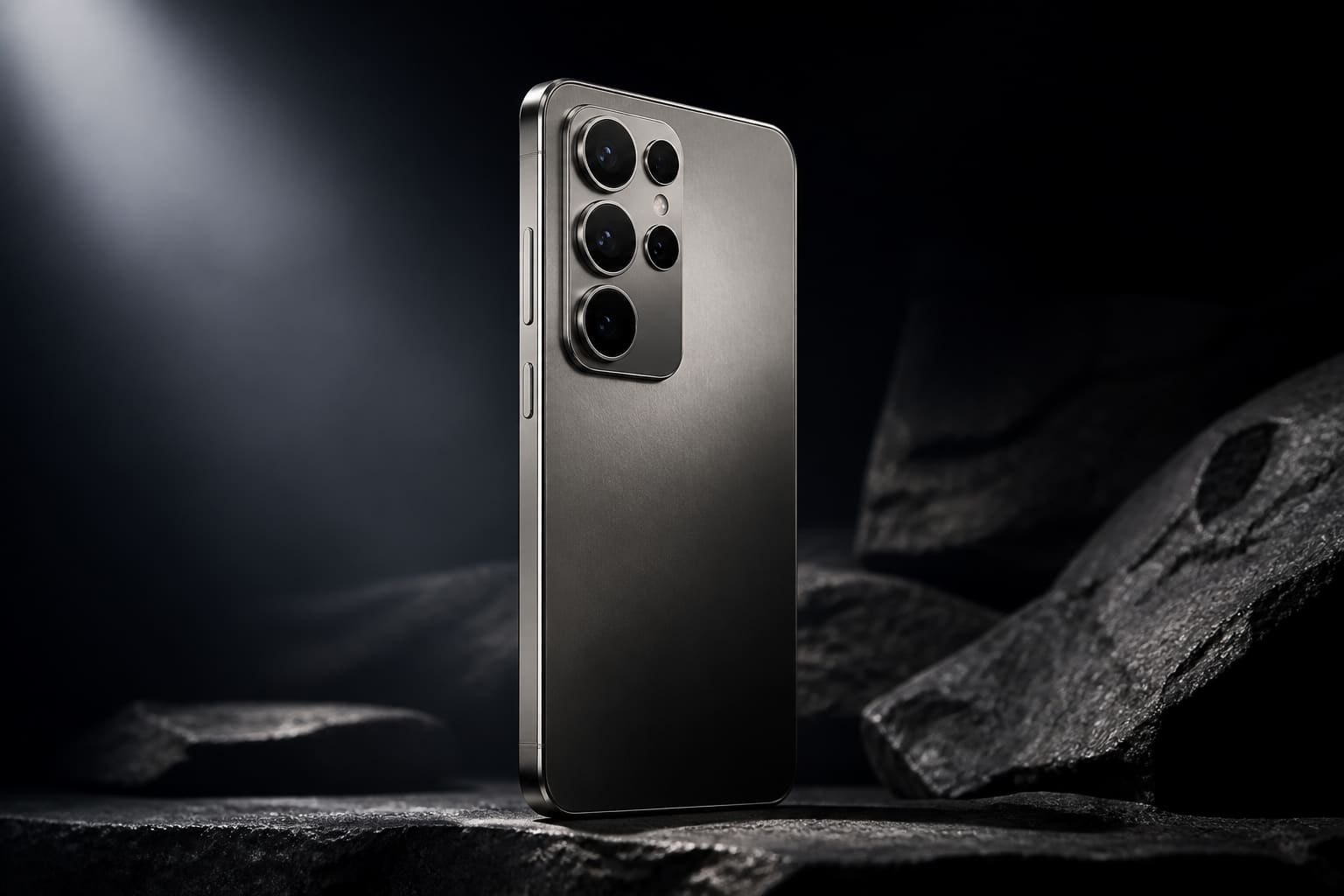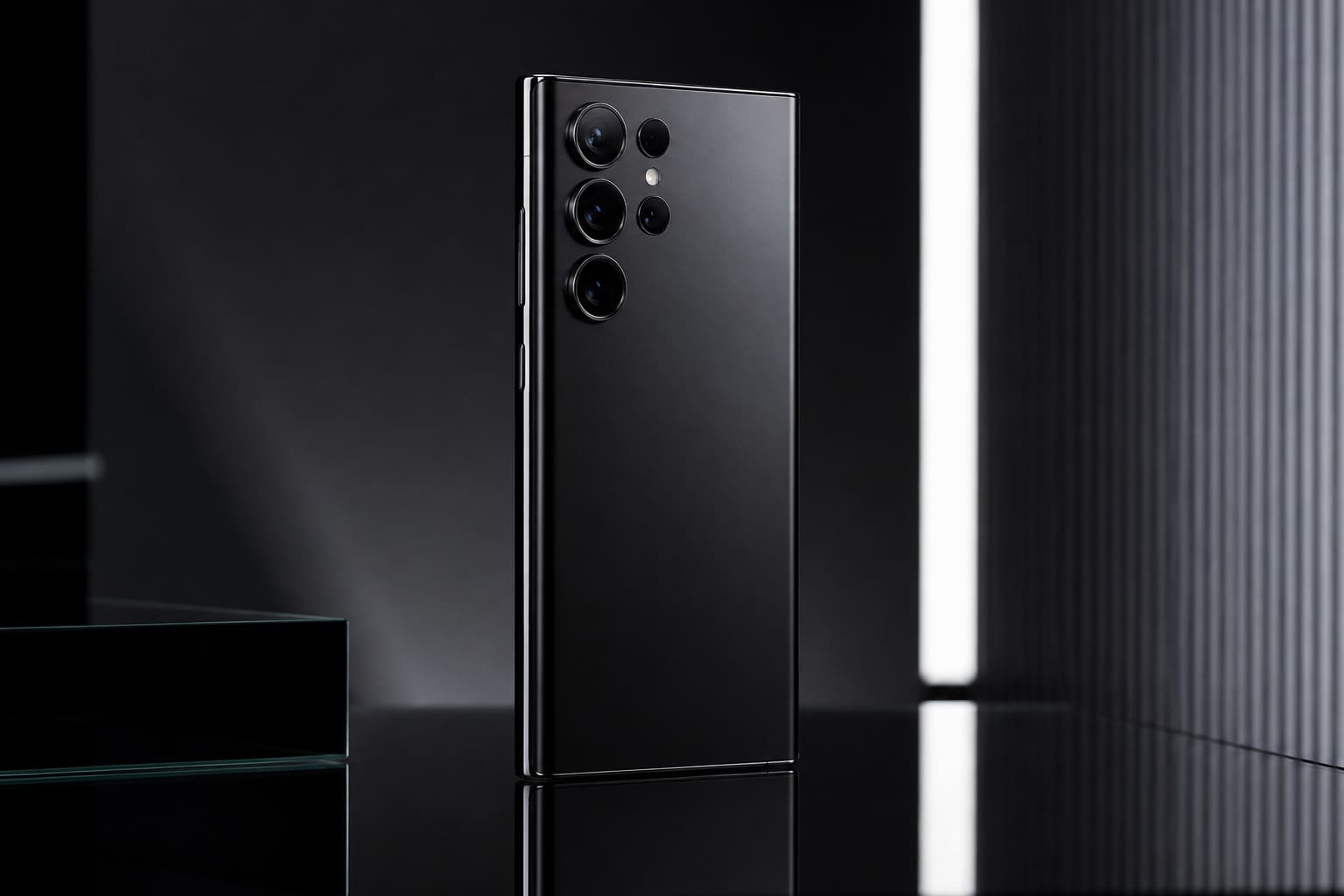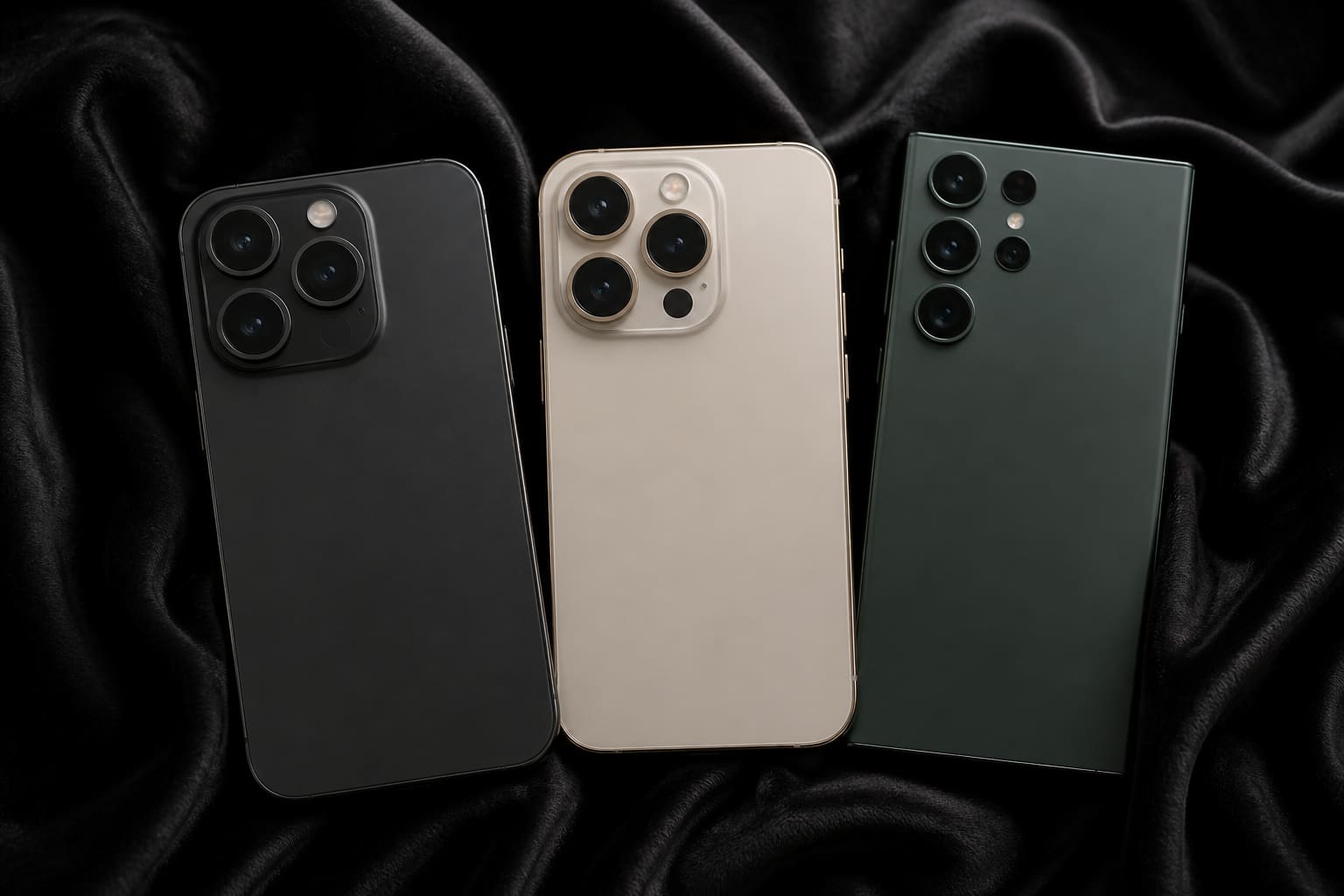
The flagship camera wars used to have a simple narrative: iPhone for video, Pixel for stills, Galaxy for zoom. 2026 is messier — and better for anyone who takes photos with a phone rather than spec sheets. Apple improved night stills. Google added a proper telephoto. Samsung tuned its 200MP main sensor until it stops looking like a sharpening slider demo. We shot all three side-by-side — iPhone 16 Pro Max, Samsung Galaxy S25 Ultra and Google Pixel 9 Pro — in automatic modes unless noted, because that is how normal humans shoot.
All phones ran latest OS versions as of March 2026. We transferred full-resolution files for comparison on a calibrated display. Social-media resized exports are included in our full gallery; this article describes behaviour you can trust when you pick up any of these phones on holiday, at a gig or filming a toddler who will not sit still.
Portraits: skin tones and edge detection
Portrait mode is the everyday test. Hair strands against sky. Glasses frames. Freckles you want kept, not airbrushed into porcelain. In warm late-afternoon light on the South Bank, the iPhone 16 Pro Max produced the most flattering, least controversial skin tones. Faces looked human without the waxy HDR gloss some Android phones still apply by default.
The Pixel 9 Pro was close behind — Google has narrowed the gap on colour science that once felt deliberately muted. Edge detection around curly hair beat the iPhone in two frames where Apple clipped a flyaway strand. Samsung’s S25 Ultra was the most aggressive on subject separation: punchy pop, slightly crunchy detail on skin texture, backgrounds blurred convincingly but sometimes too uniformly — bokeh looked painted rather than optical on a busy market scene.
If your priority is Instagram-ready portraits straight out of camera, iPhone first, Pixel second, Samsung third for naturalism — though Samsung wins if you prefer vivid, billboard-ready saturation without editing. All three struggle with inconsistent results when the subject moves mid-capture. Kids and dogs remain the ultimate benchmark; none is perfect.
Night and low light: atmosphere vs clarity
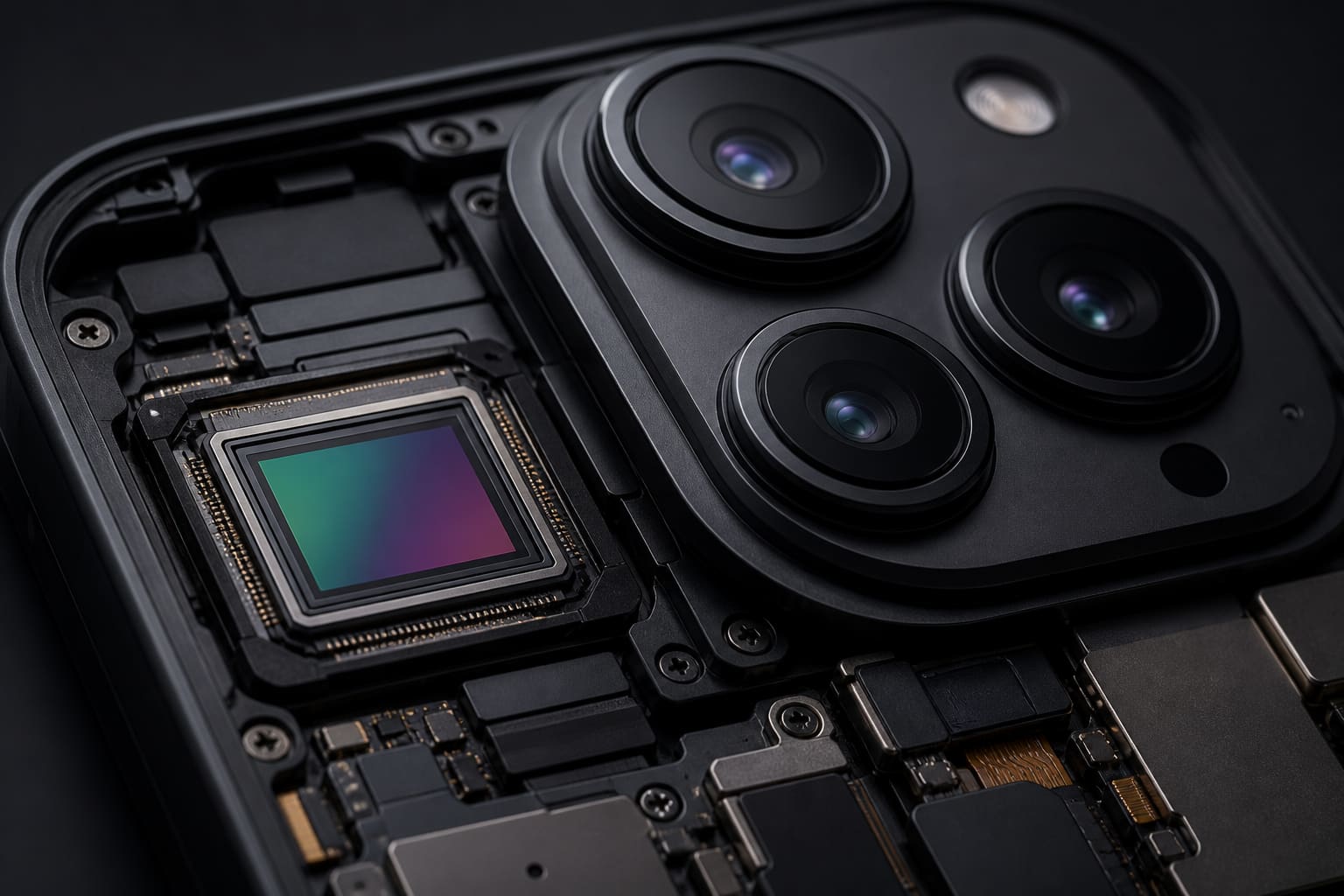
We shot Neal’s Yard after dusk, a dim jazz bar in Soho and Brighton seafront with only pier lights. Night is where brands diverge philosophically. Google still favours lifted shadows and readable faces — Pixel 9 Pro night sight recovered a face in near darkness that the other two rendered as silhouette unless we tapped to expose. The result can look brighter than the scene felt. Some call that “computational flash.” It saves shots.
Apple’s night mode on the 16 Pro Max is faster to capture and more conservative on shadow lifting. Highlights around neon signs controlled better — fewer blown pink tubes in Soho. Noise grain is finer and more film-like at the cost of absolute shadow detail. Samsung split the difference with excellent highlight roll-off on the S25 Ultra main sensor and the brightest overall exposure of the three, occasionally at the expense of halos around point light sources.
Ultra-wide night is still weak on all three compared with their main sensors. Do not compose critical night landscapes on the 0.5x lens unless you must. Telephoto night improved year-on-year: the S25 Ultra’s 5x held usable detail on pier lettering at 50 metres; Pixel’s 5x telephoto matched for readability; iPhone’s 5x was slightly softer but colour-stable.
“The camera wars are over — nobody makes a bad flagship camera anymore. The fight is about style, speed and which mistakes you prefer.”
— Dieter Bohn, former Verge editor, on flagship smartphone photography trends
Video: stabilisation, colour and the edit timeline
Video is where the iPhone keeps its crown for most creators. Walking down Brighton pier filming 4K/60, the 16 Pro Max stabilisation smoothed gait without the jelly-wobble some over-aggressive EIS introduces. Colour consistency when switching between main and telephoto lenses beat Samsung — the S25 Ultra briefly shifted white balance when punching in on a sunset clip. Google improved massively since Pixel 7; Pixel 9 Pro footage is broadcast-acceptable for social and news. It still falls behind Apple on extreme motion — running children, handheld pan across traffic — where smear and focus hunting appear sooner.
Audio matters for video. iPhone’s wind noise reduction and stereo capture remain best for impromptu interviews. Samsung is good; Google is adequate in calm conditions and struggles in coastal wind without an external mic — same advice as last three Pixel generations.
Log and ProRes workflows favour iPhone for editors already in Final Cut or Premiere ecosystems. Samsung offers Expert RAW video options for enthusiasts. Google targets the “upload straight to YouTube” crowd with reliable auto exposure. Pick your tribe.
Zoom: reach, clarity and when digital takes over
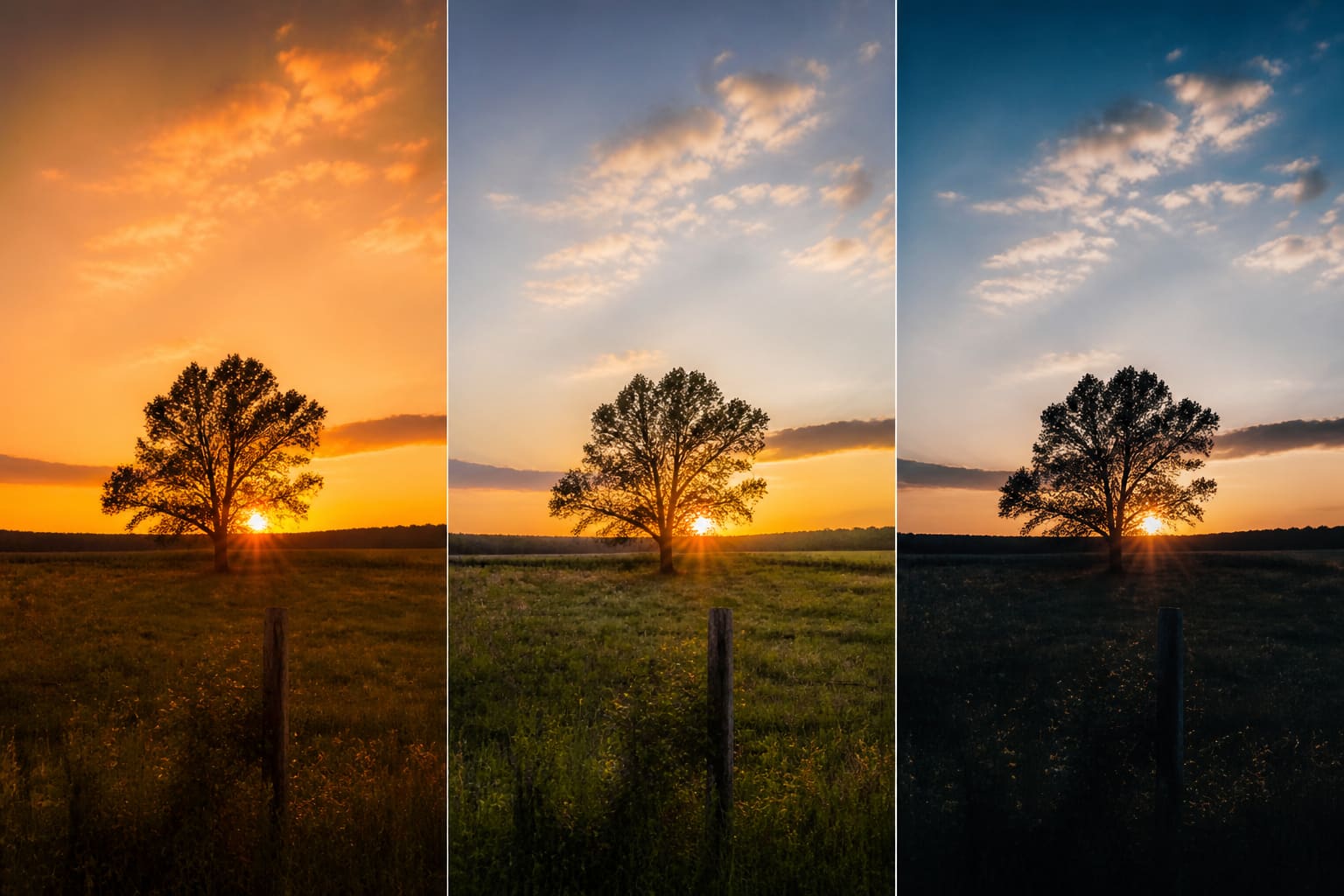
Optical telephoto reach is Samsung’s home turf. At 5x on a clear day shooting Tower Bridge from London Bridge, the S25 Ultra resolved brick texture and window frames ahead of iPhone and Pixel — not a landslide, but visible at 100% crop. At 10x digital on Samsung’s tuned pipeline, results stayed shareable for social; beyond 15x it is AI reconstruction art. Useful for identifying a boat name on the Thames. Not for gallery prints.
Pixel 9 Pro’s 5x optical telephoto finally puts Google in the flagship zoom conversation. It matched iPhone at 5x and beat it slightly on text legibility on distant signage. Apple’s 5x tetraprism is excellent for portraits at medium distance — concerts, sports from mid-tier seats — where you want a person isolated rather than architectural detail.
Ultra-wide quality at 0.5x: iPhone and Pixel tie for least distortion on building corners. Samsung corrected distortion well but occasionally over-sharpened edges. Macro modes on all three are gimmicks for most people. Ignore them unless you photograph insects.
RAW, Pro modes and who actually uses them
Each phone offers a Pro or RAW capture path for enthusiasts who colour-grade later. Apple’s ProRAW integrates cleanly with Lightroom mobile. Samsung Expert RAW exposes granular control and pairs well with the S Pen for fine adjustments on-device. Google’s RAW output is flexible in Snapseed and Lightroom but less intuitive to enable mid-shoot. We spent an afternoon grading identical scenes from all three — the iPhone files survived aggressive shadow lifts with least banding; Samsung’s 200MP RAW bins down to stunning 12MP masters in good light; Pixel RAW remains the most forgiving if you underexpose a stop.
Honest confession: 97% of buyers never touch these modes. If that is you, ignore this section and shoot auto. If you are the 3%, the iPhone and Samsung Pro workflows are mature; Google is catching up fast.
Speed, shutter lag and the missed moment
Hardware is only half the story. Shutter lag and gallery responsiveness decide whether you capture the laugh or the blink. iPhone’s camera app opens fast from lock screen and captures with minimal delay — still the benchmark. Pixel’s shot-to-shot speed improved; occasional processing pause remains when night sight stacks frames. Samsung is fast in good light; night mode still asks you to hold steady longer than the others in marginal conditions.
All three store photos in HEIF/JPEG with depth maps for re-editing portraits later. Google Photos on Pixel, iCloud on iPhone and Samsung Gallery on Galaxy each offer non-destructive edits that respect the original — ecosystem lock-in disguised as convenience.
Which should you buy for the camera alone?
Buy the iPhone 16 Pro Max if video is your primary output or you want the least surprising colour science in mixed light. Buy the Pixel 9 Pro if stills in challenging light and Google Photos search matter more than zoom reach. Buy the Galaxy S25 Ultra if you shoot concerts, wildlife and cityscapes from distance and want the most versatile lens stack on a phone.
None is bad. That is the boring truth the internet hates. Two years ago the gaps were obvious. In 2026 you choose a photographic personality, not a winner-take-all champion. Our full sample gallery — daylight, night, portrait, zoom crops and unedited video clips — lives alongside this comparison for readers who want pixels, not prose.
Verdict
iPhone 16 Pro Max
- Best video stabilisation and colour in edits
- Most natural portrait skin tones
- Fastest capture-to-share workflow
Trade-offs elsewhere
- Pixel: brightest night recovery, weaker zoom
- Samsung: longest zoom, busiest colour processing
- All three: £1,000+ — mid-range compacts exist
Sources
- Apple, iPhone 16 Pro camera specifications — apple.com
- Samsung, Galaxy S25 Ultra camera system details — samsung.com
- The Verge, flagship smartphone camera comparison coverage — theverge.com