Foldable phones were supposed to feel inevitable by now. Samsung has shipped millions of units. Google entered the category with purpose. Motorola and OnePlus offer cheaper clamshells. Huawei and Honor sell competitive book folds in markets where Google services are optional. And yet walk down any high street and the phones in hands are still flat rectangles. The technology crossed the “prototype” line years ago. The “default choice” line remains ahead.
I spent a month rotating between three current-generation book foldables — Samsung’s Galaxy Z Fold 6, Google’s Pixel Fold 2 and a Chinese-market Honor Magic V3 borrowed from a colleague — alongside a conventional Galaxy S25 Ultra and an iPhone 16 Pro. The goal was not to crown a winner. It was to understand what still separates foldables from the phones most people actually buy, and whether 2026 is the year that gap closes.
Book foldables: the form factor finally makes sense
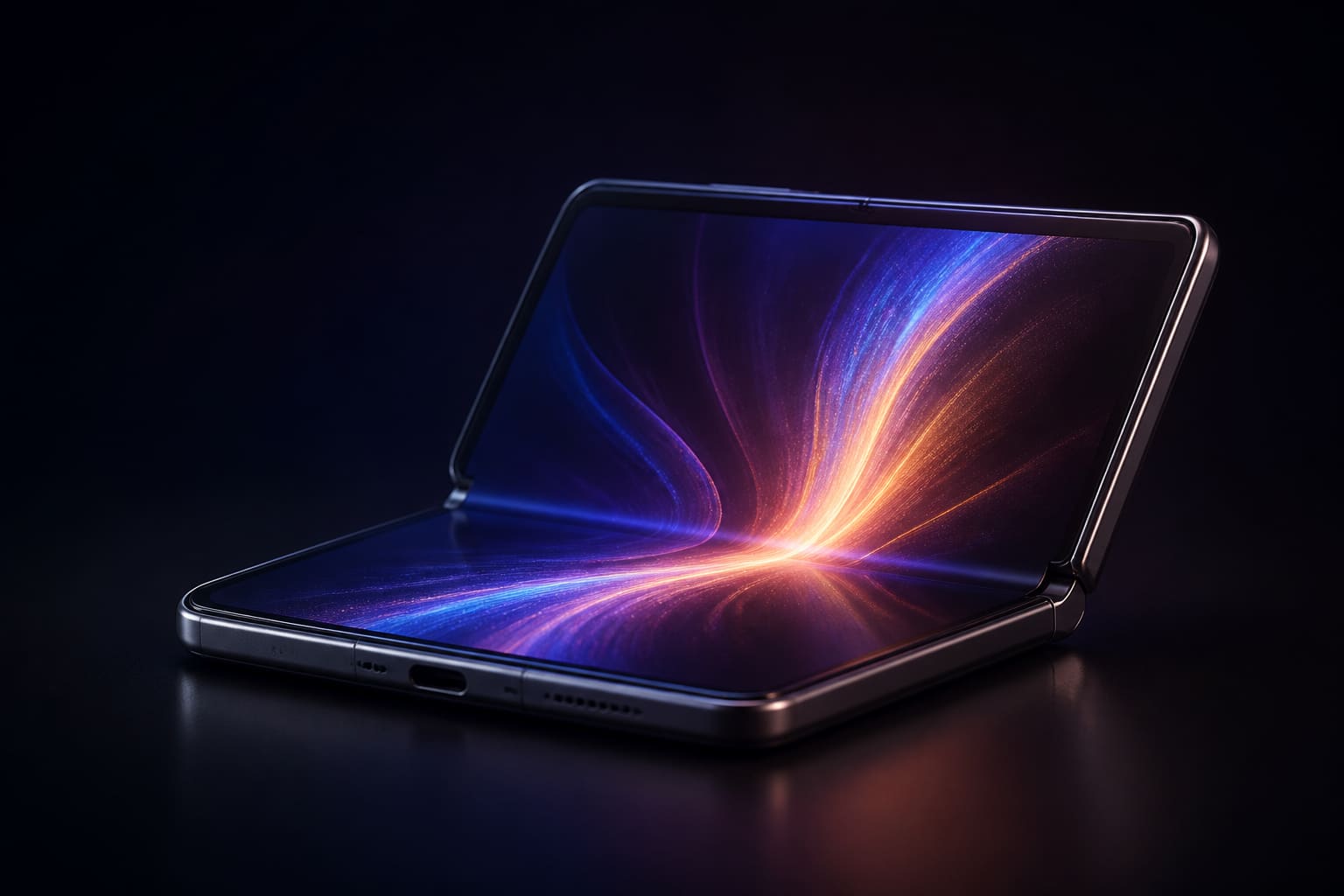
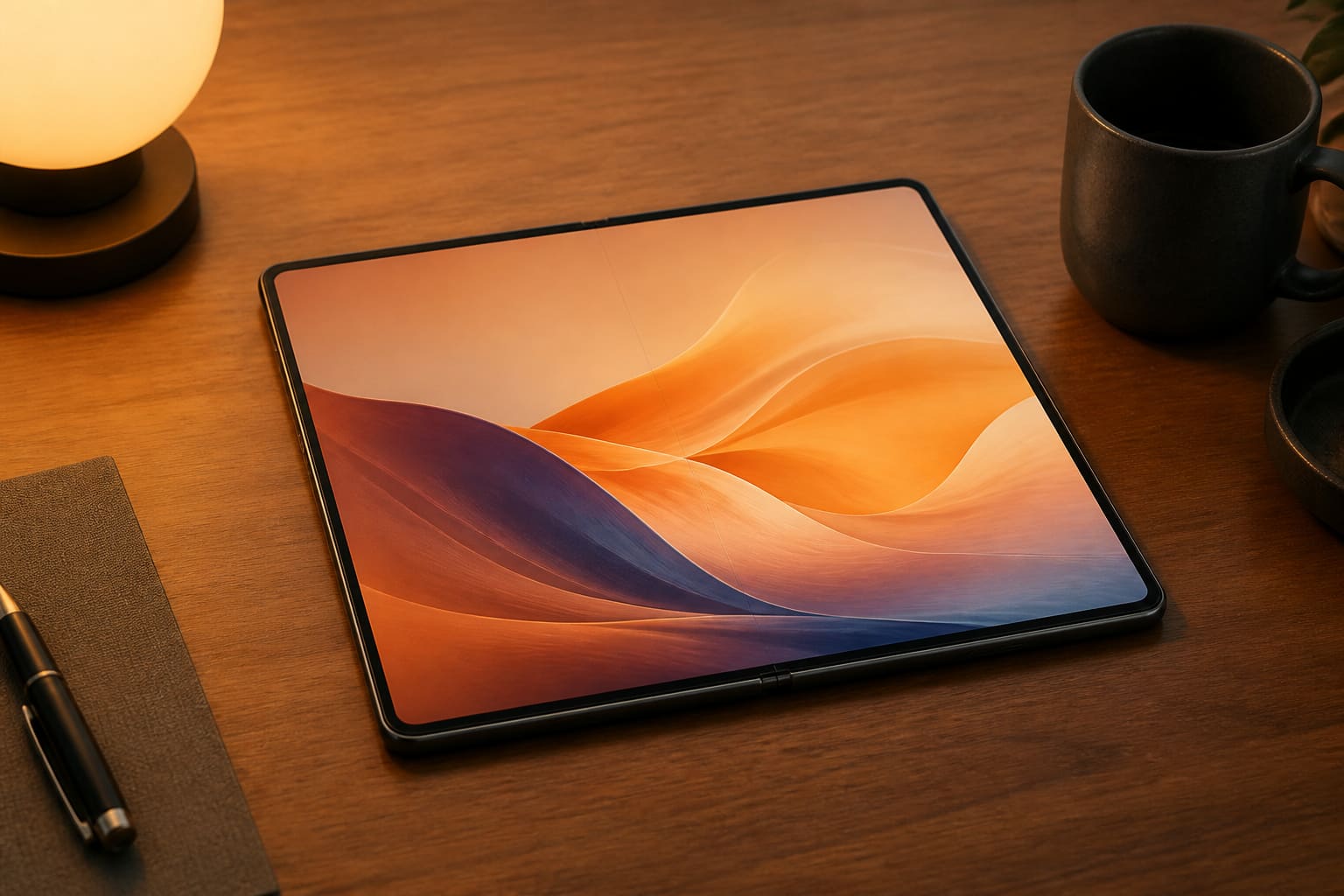
The original Galaxy Fold was a brave mess: a narrow front screen, a plastic inner panel and a hinge that sucked in dust like a vacuum. Today’s book foldables open to tablets that are genuinely useful. Reading long articles, editing spreadsheets, running two apps side by side — these are not demos anymore. They are Tuesday afternoon tasks.
Samsung’s latest inner display is 7.6 inches with a 120Hz refresh rate. The aspect ratio is squarer than a phone, closer to a paperback. That matters for productivity. A conventional phone in landscape still feels like a wide phone. A unfolded Fold feels like a small iPad Mini with cellular. Google’s Pixel Fold 2 prioritises a wider outer screen so you rarely need to open it for quick replies — a different bet, but a coherent one.
Clamshell foldables — the flip phones — solve a different problem. They are fashion objects and pocketability plays. They sell better in some markets because they are cheaper and because closing the phone still feels satisfying in a way opening a book fold does not replicate. This analysis focuses on book-style devices because that is where the “replace your phone and tablet” pitch lives.
Durability: better, not bulletproof
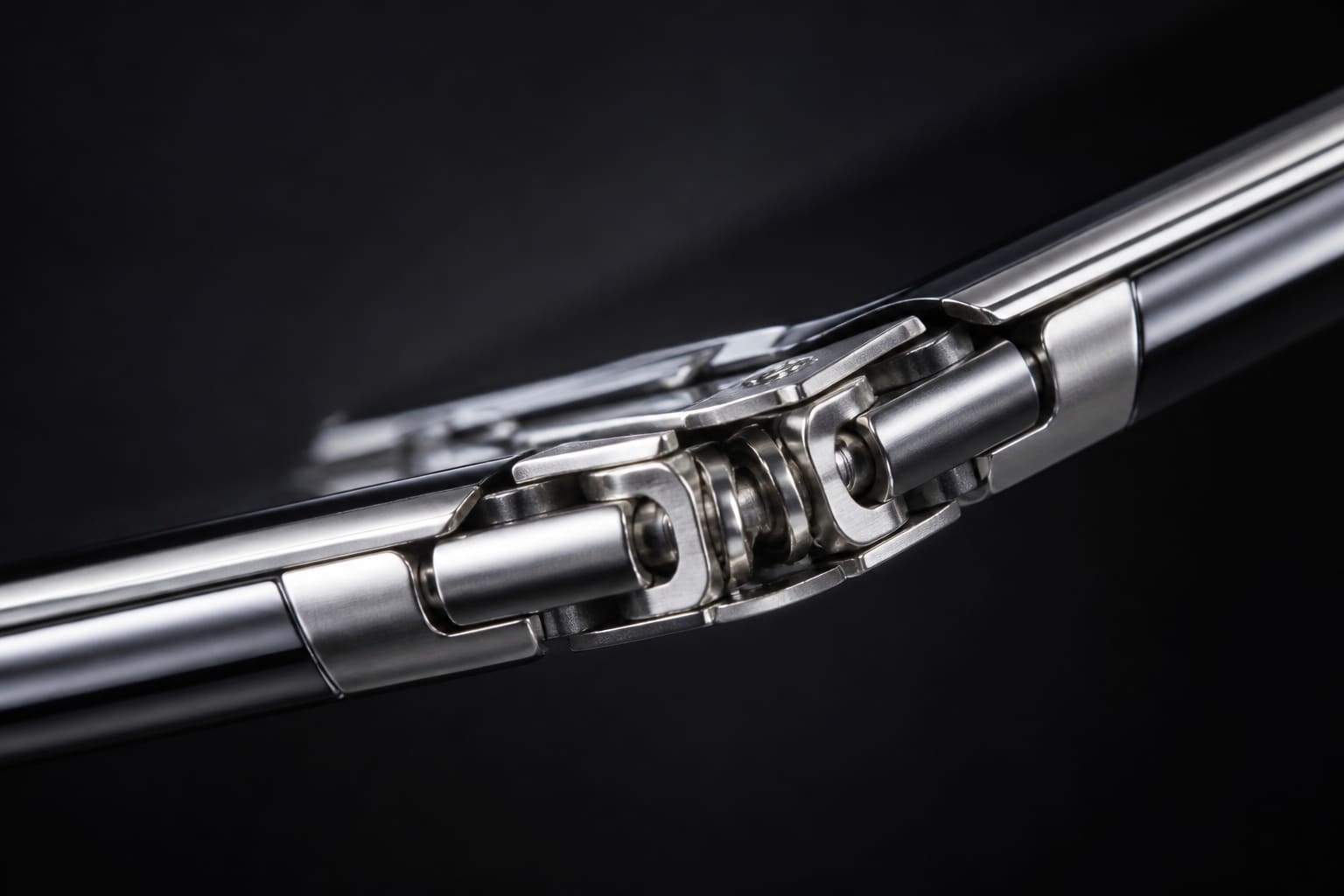
Manufacturers now quote hundreds of thousands of fold cycles in lab tests. Samsung advertises 400,000 folds for the Fold 6 hinge. In the real world that translates to years of twice-daily opens if you are careful. The anxiety is not the hinge wearing out on schedule — it is the out-of-warranty repair bill when something goes wrong.
Inner screens remain softer than glass slabs. Ultra-thin glass with a protective polymer layer can still dent if you press hard with a fingernail. Dust is less catastrophic than on early units thanks to improved IP ratings — the Fold 6 is IP48, which is not swimming-pool proof but handles rain better than gen one. Still, beach holidays and building sites are bad ideas.
Insurance and repair costs are the hidden tax. A main-screen replacement on a flagship foldable can exceed £400 through official channels. Samsung and others offer extended care plans, which you should factor into total cost of ownership. Conventional flagships break too, but a cracked slab screen replacement is usually cheaper and more widely available at third-party shops on the high street.
“The foldable market is growing faster than the overall smartphone market, but from a small base — consumers are still learning what these devices are for.”
— IDC worldwide mobile device trackers, quoted in Reuters technology coverage, 2025
After four weeks I had no mechanical failures. I did develop a habit of opening the phone with two hands and avoiding grit in the hinge channel. That is not normal phone behaviour. Slabs invite carelessness. Foldables train you to be slightly more careful, like owning a nice watch.
The crease: visible, tactile, unavoidable
Every book fold I tested had a crease you could see at certain angles and feel under a thumb when scrolling. Manufacturers have reduced its severity. None have eliminated it. Under indoor lighting at 50% brightness the crease on the Fold 6 disappears for most content — video, games, photos. Under direct sunlight or with white backgrounds — spreadsheets, web pages — it returns as a faint valley.
Whether the crease bothers you is personal. Colleagues who tried the devices split evenly. Half stopped noticing after three days. Half could not unsee it and handed the phone back. If you are the sort of person who fixates on a dead pixel, assume you will fixate on the crease. If you adapt quickly to notches and dynamic islands, you will probably adapt to this.
Rumoured “creaseless” panels using new materials have appeared in supply-chain reports for years. They are not in shipping products at scale yet. Until they are, reviews must be honest: the inner screen is not identical to a slab OLED. It is very good. It is not flawless.
Software: Android is ready; apps are catching up
Google and Samsung have done the platform work. Android 15 on foldables handles continuity when you move an app from the outer to inner screen more gracefully than two years ago. Taskbars, drag-and-drop between panes and keyboard placement when half-folded in laptop posture are mature on Samsung’s One UI. Google’s Pixel implementation is cleaner but less feature-dense.
The weak link is third-party apps. Instagram, TikTok and many banking apps still letterbox on the inner display rather than scaling properly. Developers prioritize slab layouts because that is where users are. Samsung’s “Flex Mode” and Google’s compatibility modes patch the worst offenders by forcing windowed layouts, but the result is sometimes a phone-shaped app floating in a sea of black bars — defeating the point of the big screen.
Productivity apps — Gmail, Slack, Google Docs, Microsoft Office — behave well. Video apps — YouTube, Netflix, iPlayer — fill the panel. Games vary. Genshin Impact on a unfolded foldable is glorious until thermal throttling. The software story is “excellent for work and media, patchy for social.” If your day is spreadsheets and email, you are served. If your day is vertical video feeds, a slab is simpler.
Price, resale and the second-hand market
Book foldables launch between £1,499 and £1,799 in the UK. That is slab flagship money plus a premium for the hinge. Carrier contracts spread the pain but lock you in. Resale values on first-generation folds cratered; recent generations hold value better as buyers trust durability more, yet a two-year-old Fold still depreciates faster than an iPhone Pro. Budget for that if you upgrade often.
Second-hand folds are tempting on eBay — and risky. Hinge wear, delaminating inner protectors and out-of-warranty screen failures are seller-disclosure nightmares. If you buy used, meet in person, test the hinge through a full arc, inspect the crease under torch light and confirm Samsung or Google account removal before handing over cash. A refurbished unit from the manufacturer with a warranty beats a mystery bargain every time.
Remaining compromises and who should buy
Camera systems on foldables still trail the best slabs in the same price bracket. The Fold 6 takes fine photos but loses to a Galaxy S25 Ultra on zoom and low-light consistency. You are paying for the form factor, not the best sensor stack. Battery life is acceptable — a full day with moderate use — but heavy inner-screen days drain faster than on a slab with the same cell size because the larger panel draws more power.
Weight and thickness when closed remain noticeable. A Fold in a suit pocket looks like you are carrying two phones. Clamshells win the pocket test; book folds win the tablet replacement test. There is no free lunch.
Who should buy in 2026? Mobile professionals who genuinely use split-screen and do not want to carry a tablet. Early adopters who value novelty and can absorb repair risk. Who should wait? Anyone satisfied with a phone plus an iPad Mini. Anyone clumsy or rough on kit. Anyone who mostly consumes vertical video.
The foldable future is not hypothetical. It is on sale at Carphone Warehouse. It is just not yet the default — and the crease, the repair economics and the app gap are the honest reasons why. Check back in twelve months: if creaseless panels ship at scale and repair prices fall, this analysis ages poorly in the best way. Until then, recommend foldables with eyes open, not breathless hype.
Sources
- Samsung, Galaxy Z Fold6 durability and hinge specifications — samsung.com
- Reuters, foldable smartphone market growth analysis — reuters.com
- GSMArena, foldable display technology overview — gsmarena.com