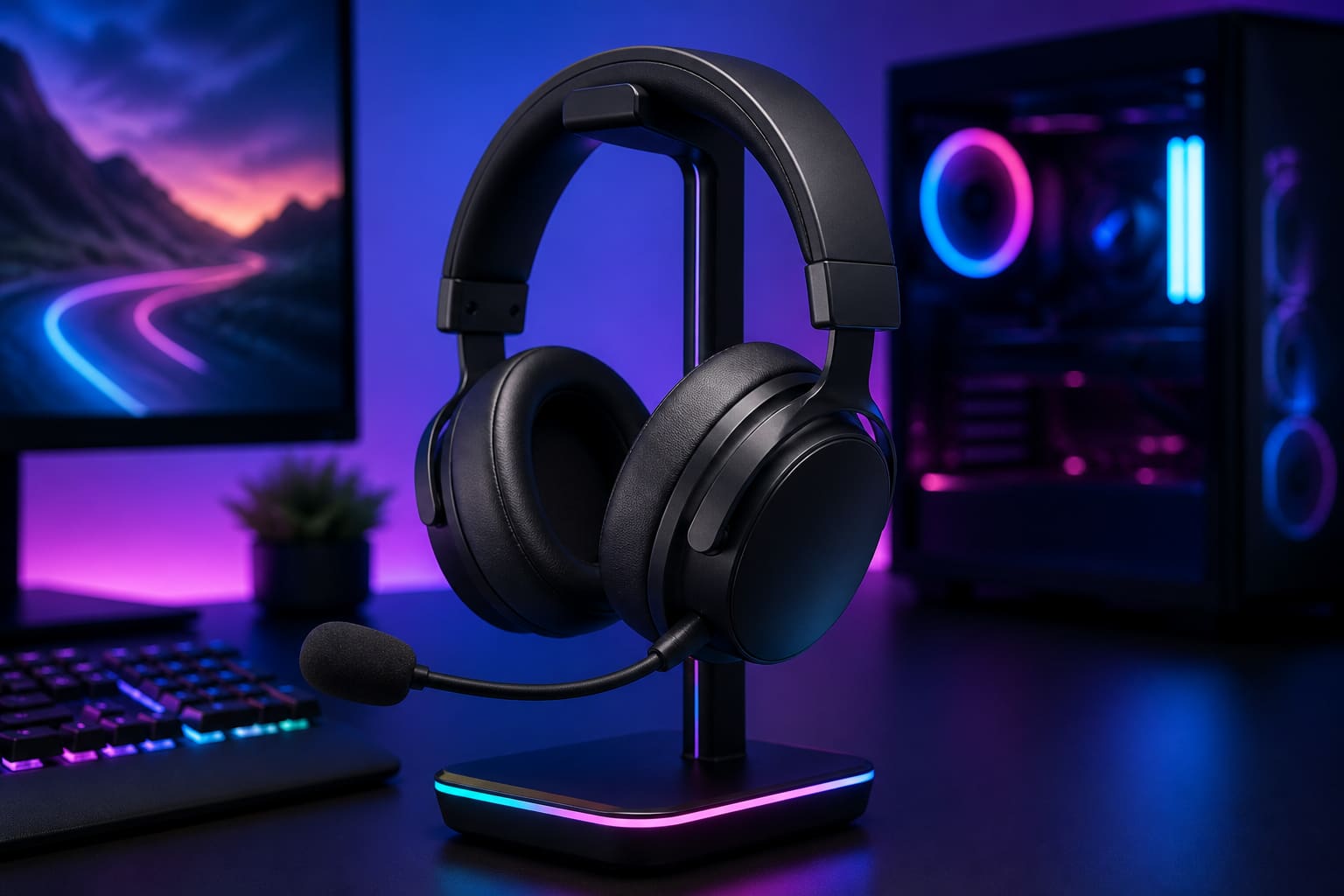
Gaming headsets occupy an awkward middle ground between proper hi-fi headphones and a cheap mic you regret in the first Discord call. The category is flooded with RGB, 7.1 surround logos and drivers that sound like they were tuned inside a tin can. Most people do not need a £300 wireless flagship — but they do need a mic that does not make them sound like they are broadcasting from a tunnel, and cups that survive a four-hour raid without clamping like a vice.
We tested twelve headsets across PC, PS5 and Series X, measuring comfort, latency, battery life and how well teammates could hear us over kettle noise and keyboard clatter. We also checked multi-platform pairing — because the headset that works on your desk should work on your sofa without a firmware odyssey.
What to look for before you buy
Connection type is the first fork. Wireless 2.4GHz dongles still beat Bluetooth for latency in competitive games; Bluetooth remains fine for single-player and Switch handheld. Wired USB and 3.5mm options skip charging entirely and often sound better pound-for-pound because the budget goes into drivers instead of batteries.
Mic quality matters more than surround branding. Every headset here was tested in Discord, Game Chat on Xbox and PS Party. We prioritised clear voice with minimal compression artefacts over bass-heavy tuning that hides footsteps in Apex or Counter-Strike.
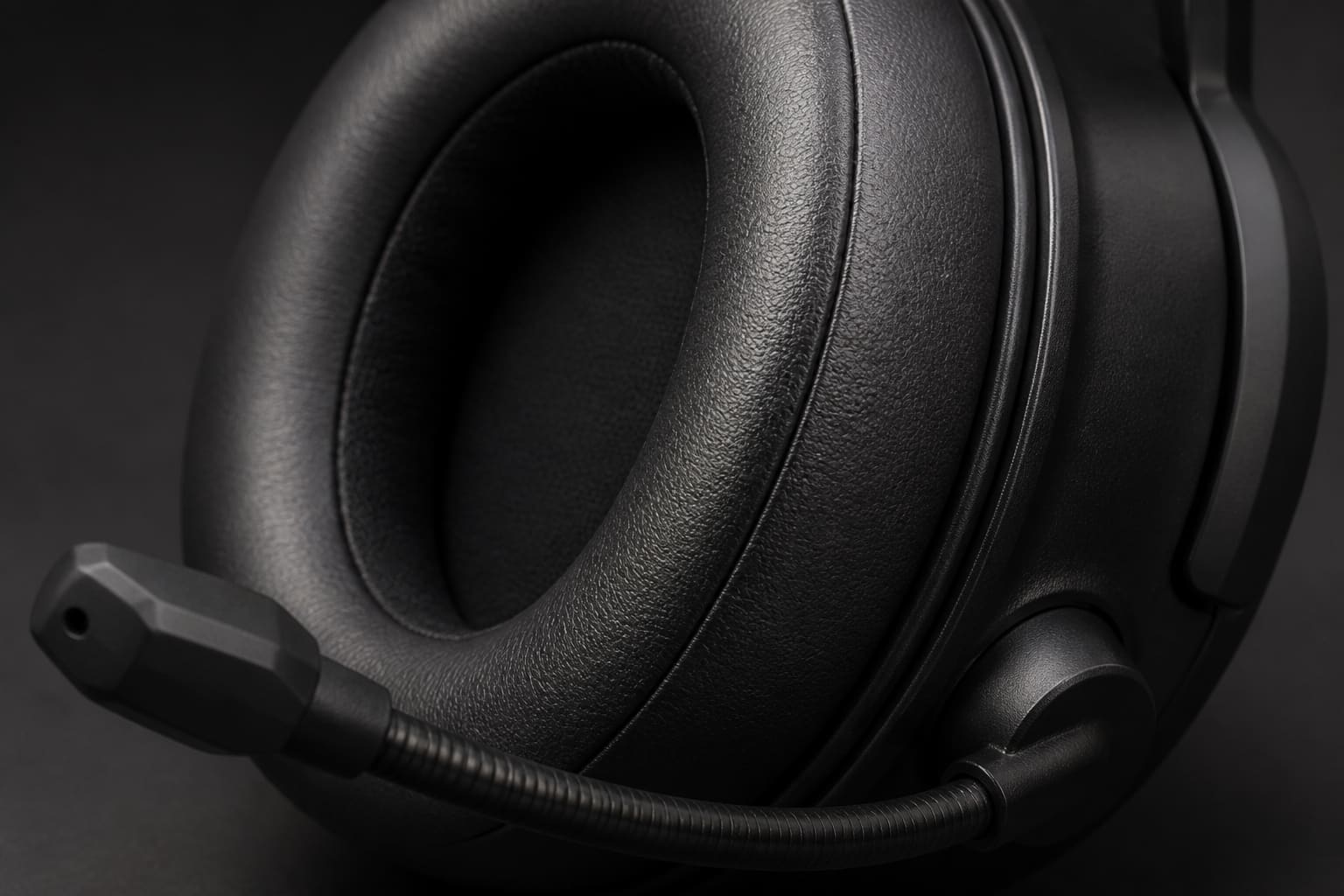
Best overall: SteelSeries Arctis Nova Pro Wireless
SteelSeries' top tier is expensive, but it earns the price with hot-swappable batteries, a clean dual-wireless hub and tuning that works for both competitive FPS and story-driven games. Footsteps are present without the harsh treble that causes fatigue; explosions have weight without muddying dialogue.
The companion app still feels like it was designed by engineers who dislike apps — functional, not friendly — but once dialled in, you rarely need to reopen it. Comfort is excellent for medium and large heads; smaller users may want to try before buying. If you split time between PC and console, the base station's dual inputs are genuinely useful, not marketing filler.
Best mid-range: HyperX Cloud III Wireless
HyperX continues to punch above its weight. The Cloud III Wireless drops unnecessary frills and focuses on light weight, strong battery life and a mic that teammates described as "actually clear" — high praise in 2026. Sound staging is slightly narrower than the Nova Pro, but positional audio in Helldivers II and Valorant remained trustworthy.
Build quality is mostly plastic, but the kind that flexes instead of cracking when tossed in a bag. For most players who want wireless without flagship pricing, this is the default recommendation.
"The best gaming audio upgrade is often not more surround — it is a mic your friends stop complaining about."
— Lina Berg, after the twelfth blind voice-chat test session
Best budget: Razer BlackShark V2 X
Wired, lightweight and routinely under £60 on sale, the BlackShark V2 X is the headset you buy for a secondary setup or a teenager's first rig. The mic is fixed rather than detachable, and the cable is thin enough to tangle, but the audio is balanced and the clamp force is mild. On PC you can layer Razer’s surround software; on console you get straightforward stereo that still beats most TV speakers.
It will not impress audiophiles. It will survive school homework calls and evening Fortnite without guilt.
Best for multi-platform: Logitech G Pro X 2 Lightspeed
Logitech's Pro line targets streamers and esports players who need one headset that travels. Bluetooth plus Lightspeed dongle covers phone, PC and console; the Blue VO!CE mic processing cleans up room echo better than most stock mics. Memory foam pads are replaceable — a small detail that extends lifespan.
Sound signature leans neutral, which some players find flat until they tweak EQ. For mixed use — gaming, calls, music on the train — it is the most versatile package here.
Open-back alternative and when to skip gaming headsets
If you game alone at a desk, an open-back hi-fi pair plus a desktop mic often beats any closed gaming headset for immersion. We are not abandoning the category — convenience matters — but it is worth saying: the "best" audio frequently lives outside the gaming aisle.
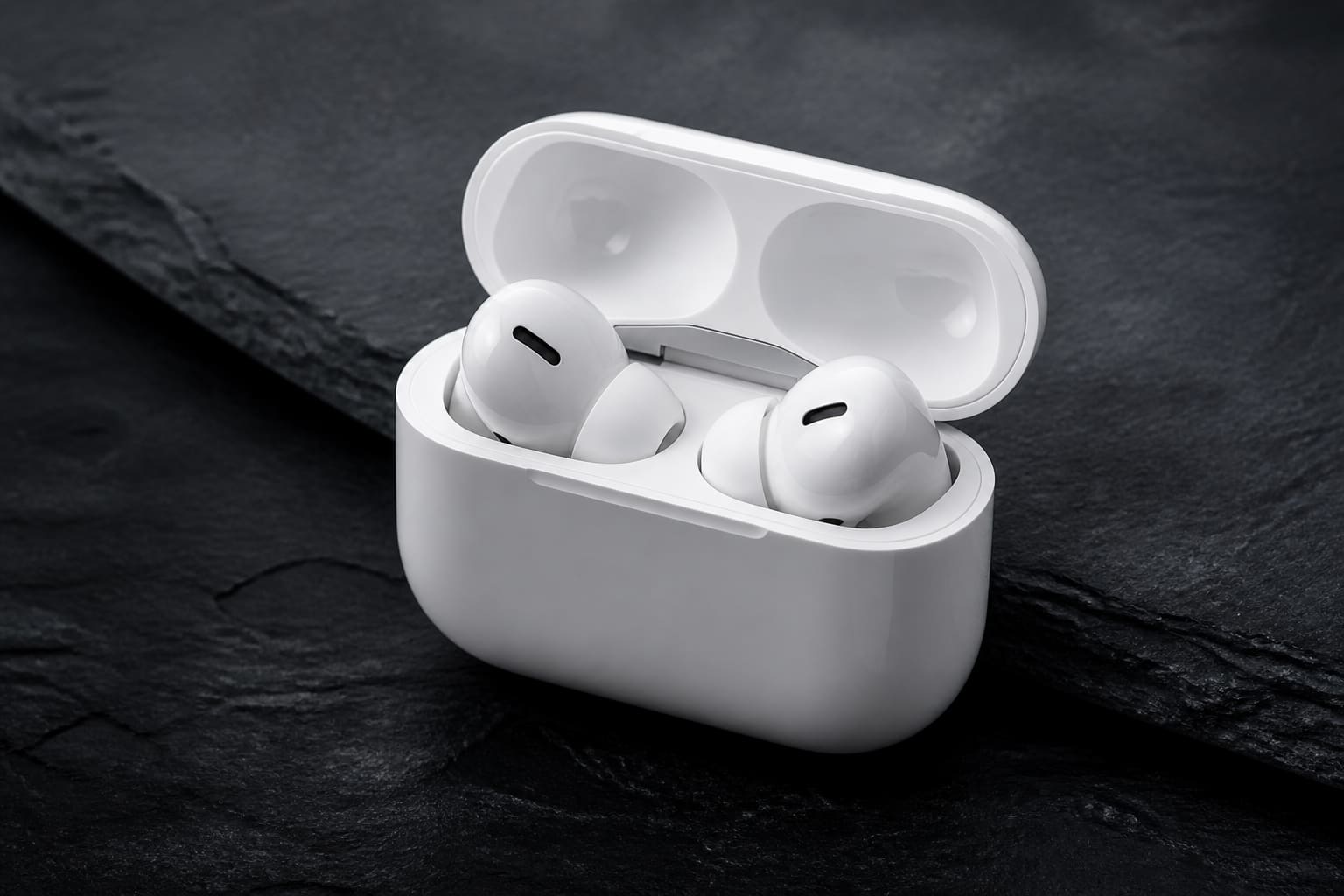
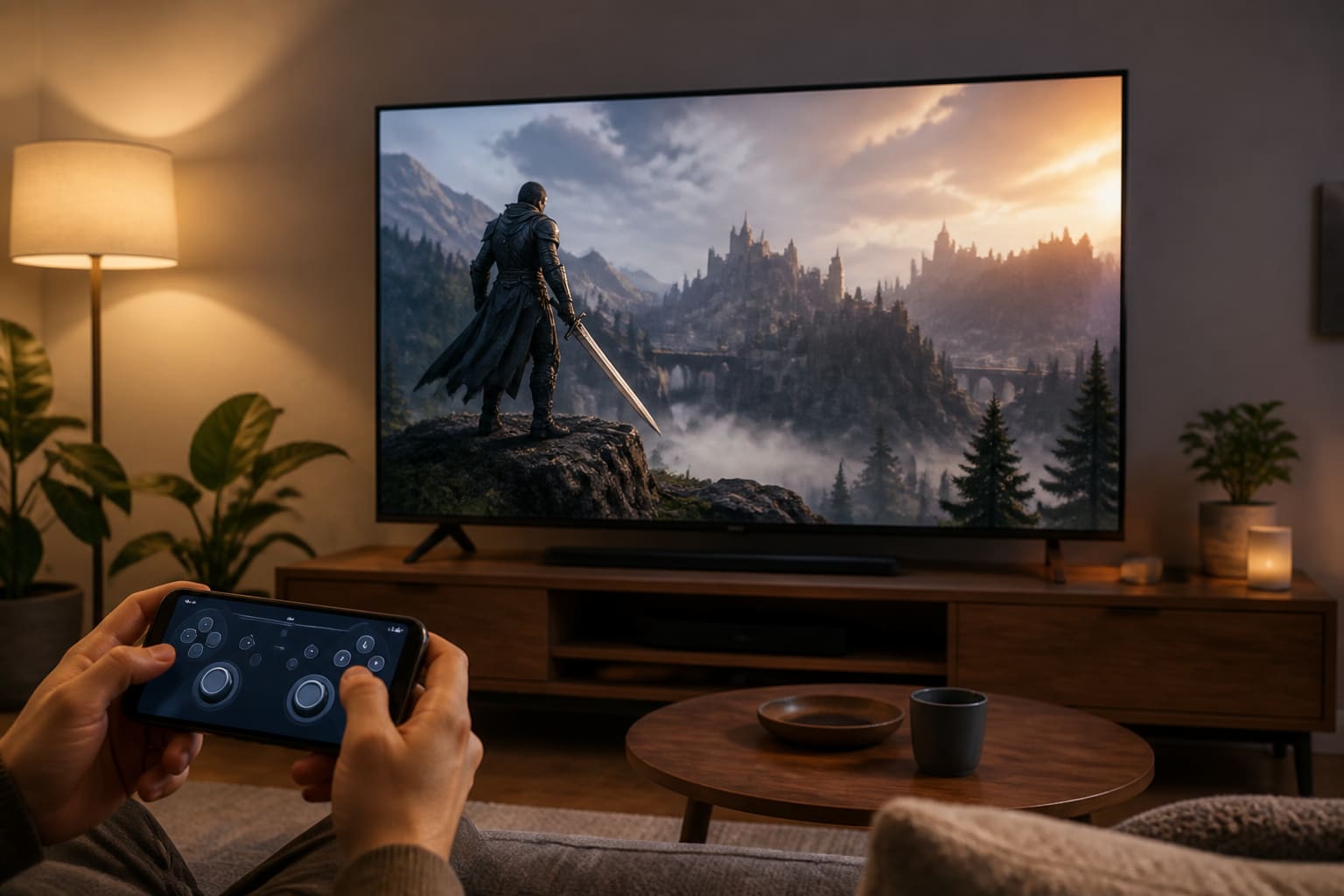
For couch play, wireless remains king. For competitive ranked, prioritise latency and mic clarity over RGB. And if you already own strong ANC earbuds for travel, check our AirPods Pro coverage — they are not a replacement for long sessions, but they are superb for handheld Switch and mobile cloud gaming.
Verdict
Pros
- Wireless latency is finally good enough for ranked play
- Mid-range mics improved dramatically in 2025–2026
- Multi-platform hubs reduce cable clutter
Cons
- Flagship pricing still hurts
- Companion apps remain hit-and-miss
- Surround branding is still mostly marketing
Sources
- SteelSeries, Arctis Nova product specifications — steelseries.com
- HyperX, Cloud III Wireless documentation — hyperx.com
- Eurogamer, headset reviews and multi-platform audio guides — eurogamer.net