Cloud gaming's promise is seductive: play the latest blockbusters on a screen you already own, no disc drive, no download queue, no £500 GPU. The reality has always been messier — latency, compression artefacts, licensing squabbles and the quiet truth that broadband quality varies street by street. We spent January streaming daily across London flats, a Manchester co-working space and a rural Devon cottage on FTTP to see where the category actually stands in 2026.
The headline is optimistic without being naive. For story-driven games, turn-based tactics and anything that does not hinge on frame-perfect inputs, cloud gaming is genuinely good on a stable 100Mbps+ connection. For competitive shooters, it remains a compromise — playable in bursts, frustrating in ranked. The business side is consolidating: fewer pretenders, clearer tiers, and platform holders treating streaming as an accessory to subscriptions rather than a standalone revolution.
Xbox Cloud Gaming: the subscription bundle winner
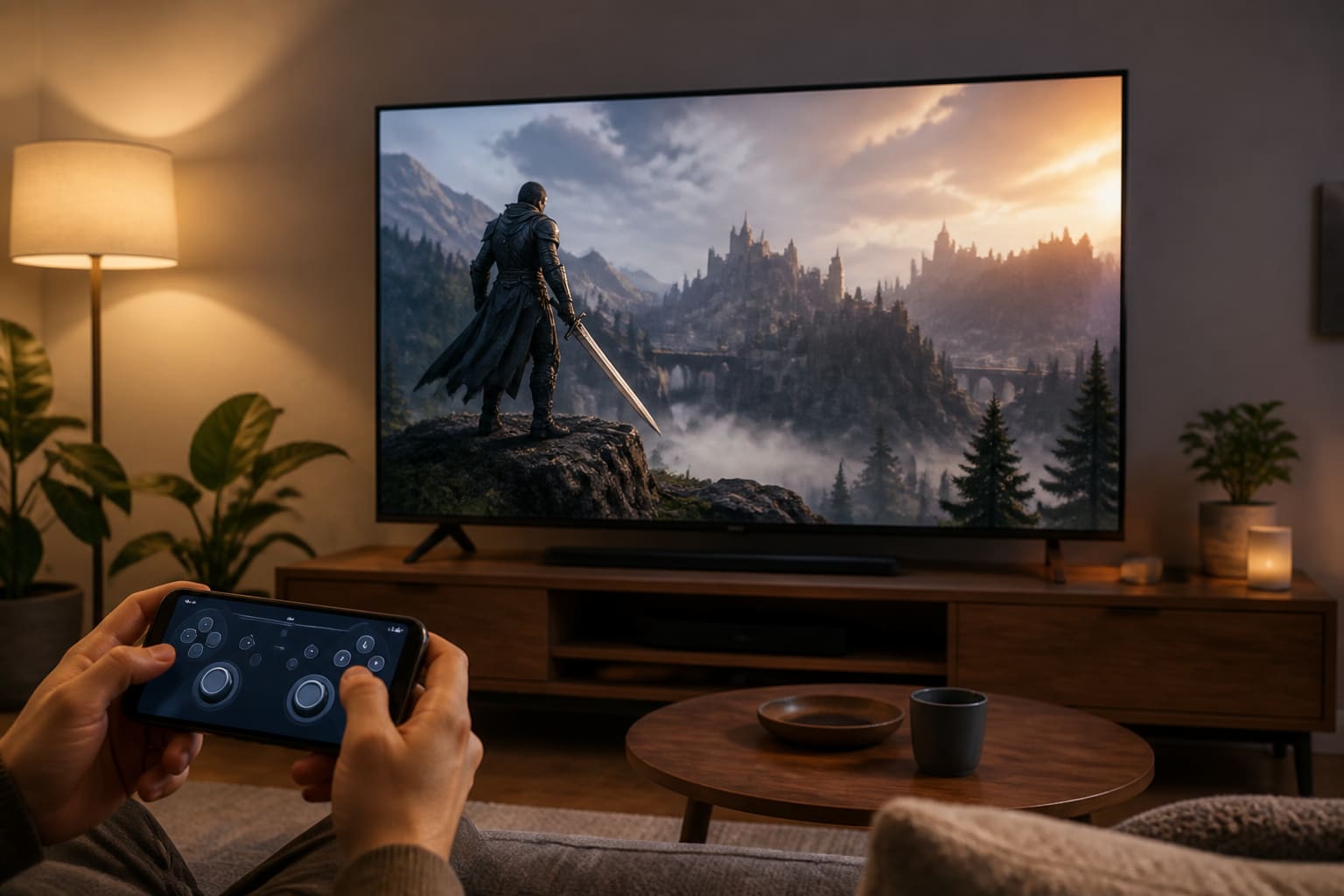
Microsoft's pitch is integration. Game Pass Ultimate includes cloud streaming for hundreds of titles, touch controls on phones and browser access on PCs that cannot run native versions. In our tests on a Series S household and a MacBook Air, session start times averaged under thirty seconds — finally faster than making a cup of tea.
Image quality tops out at 1080p60 for most titles, with occasional dips when Microsoft's Azure routing sends you to a busy node. Input lag on Forza Horizon via Edge on a wired Xbox controller felt within a few frames of local Series S play; Halo Infinite ranked was noticeably mushier. The value proposition is clear: if you already pay for Ultimate, cloud is a free bonus for travel — not a reason to sell your console.
GeForce NOW: the PC library you do not install
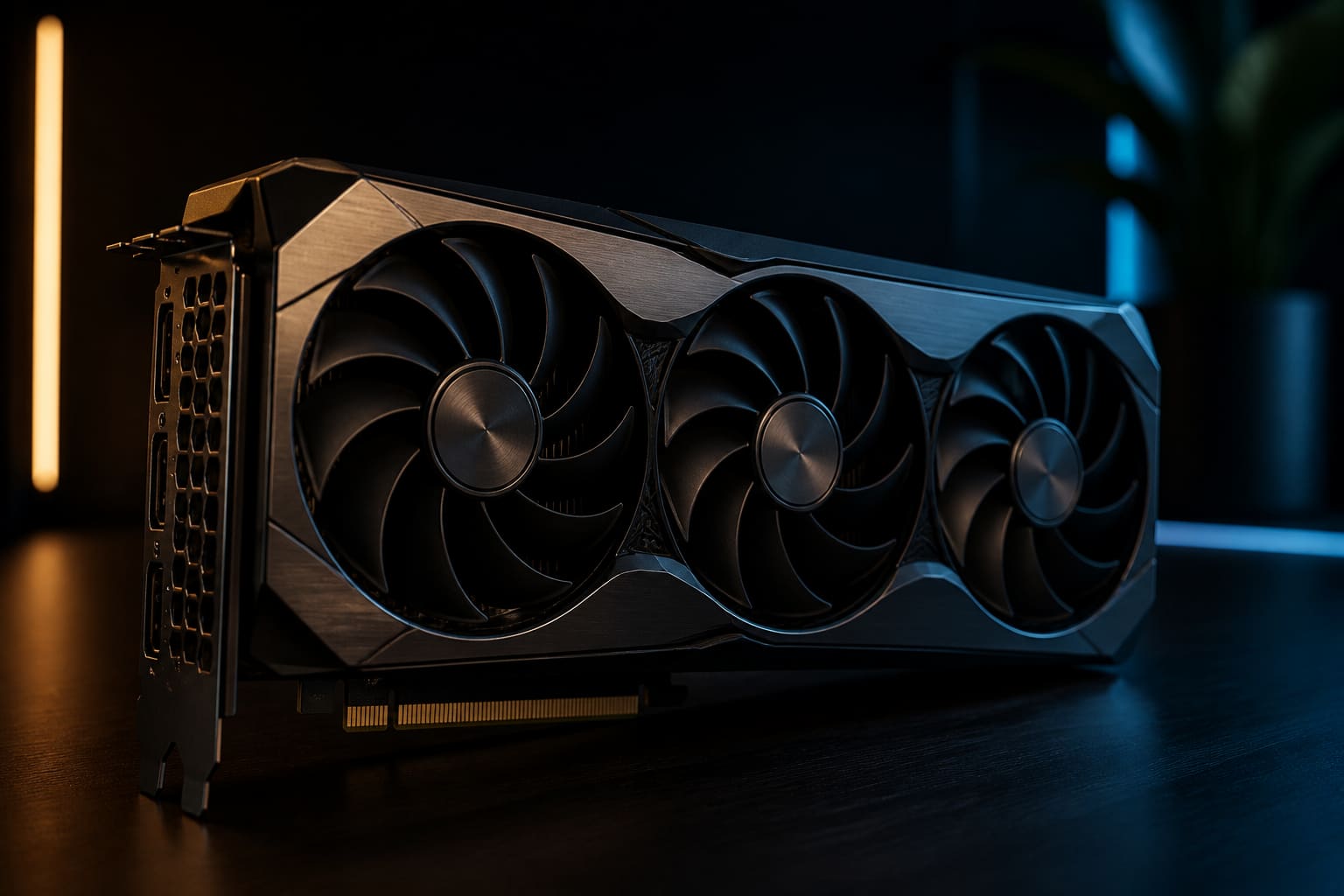
Nvidia's service takes a different tack: bring your own games from Steam, Epic and Ubisoft Connect, then run them on remote RTX hardware. For PC players with a thin laptop or an ageing desktop, it remains the most flexible option — especially when a new release demands storage you do not have.
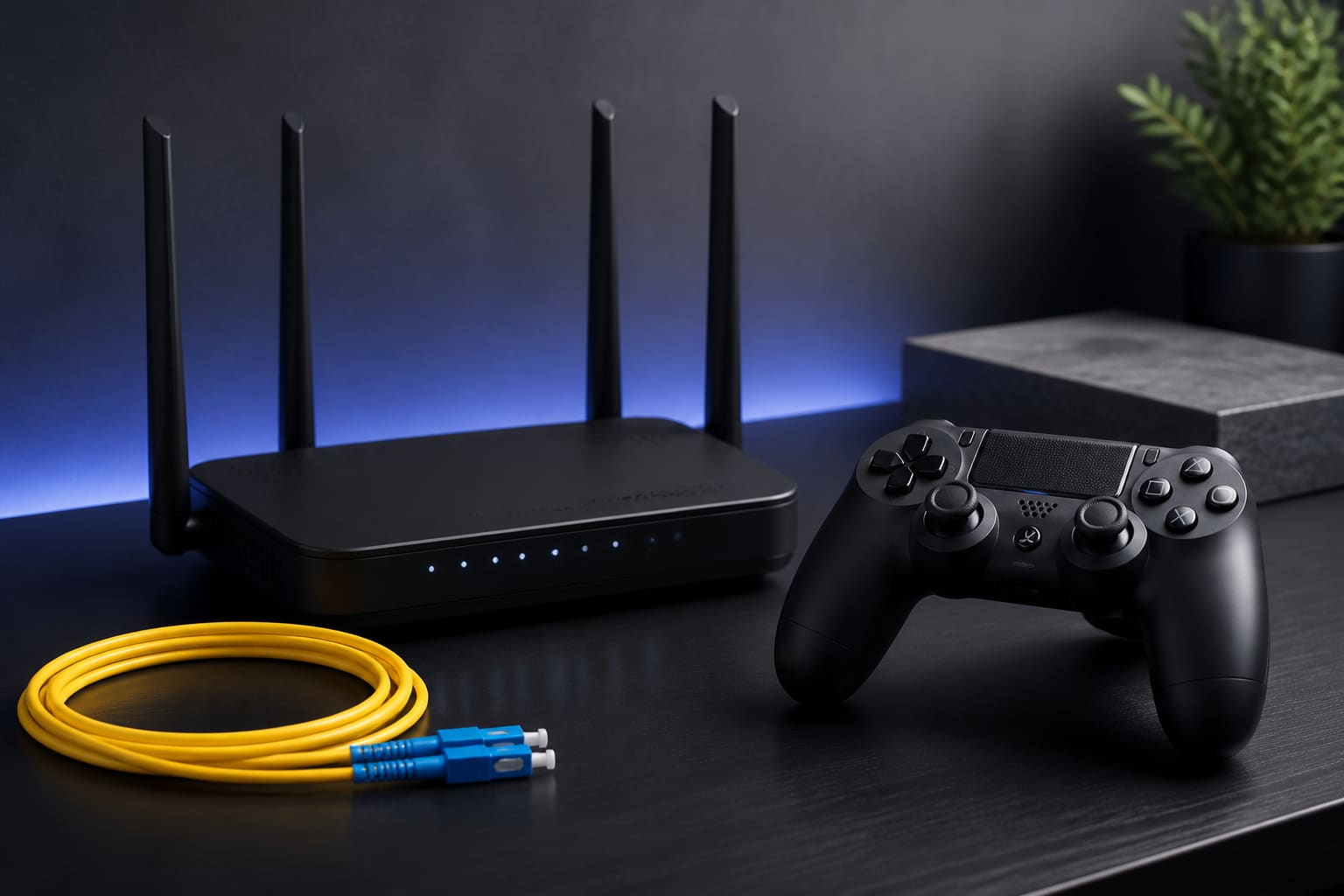
The free tier still exists but session lengths are tight; Priority and Ultimate memberships unlock longer sessions and RTX 4080-class performance that makes Cyberpunk 2077 with ray tracing viable on a Chromebook. Our Devon cottage test on 300Mbps FTTP held 60fps with rare stutter; on a congested Manchester Wi-Fi evening, artefacts increased but play remained possible. GeForce NOW rewards wired Ethernet and punishes crowded mesh networks.
"Cloud gaming stopped being a tech demo when it became something you open on a train — not something you keynote on a stage."
— Phil Spencer, Xbox, on streaming as part of the ecosystem
PlayStation and the streaming gap
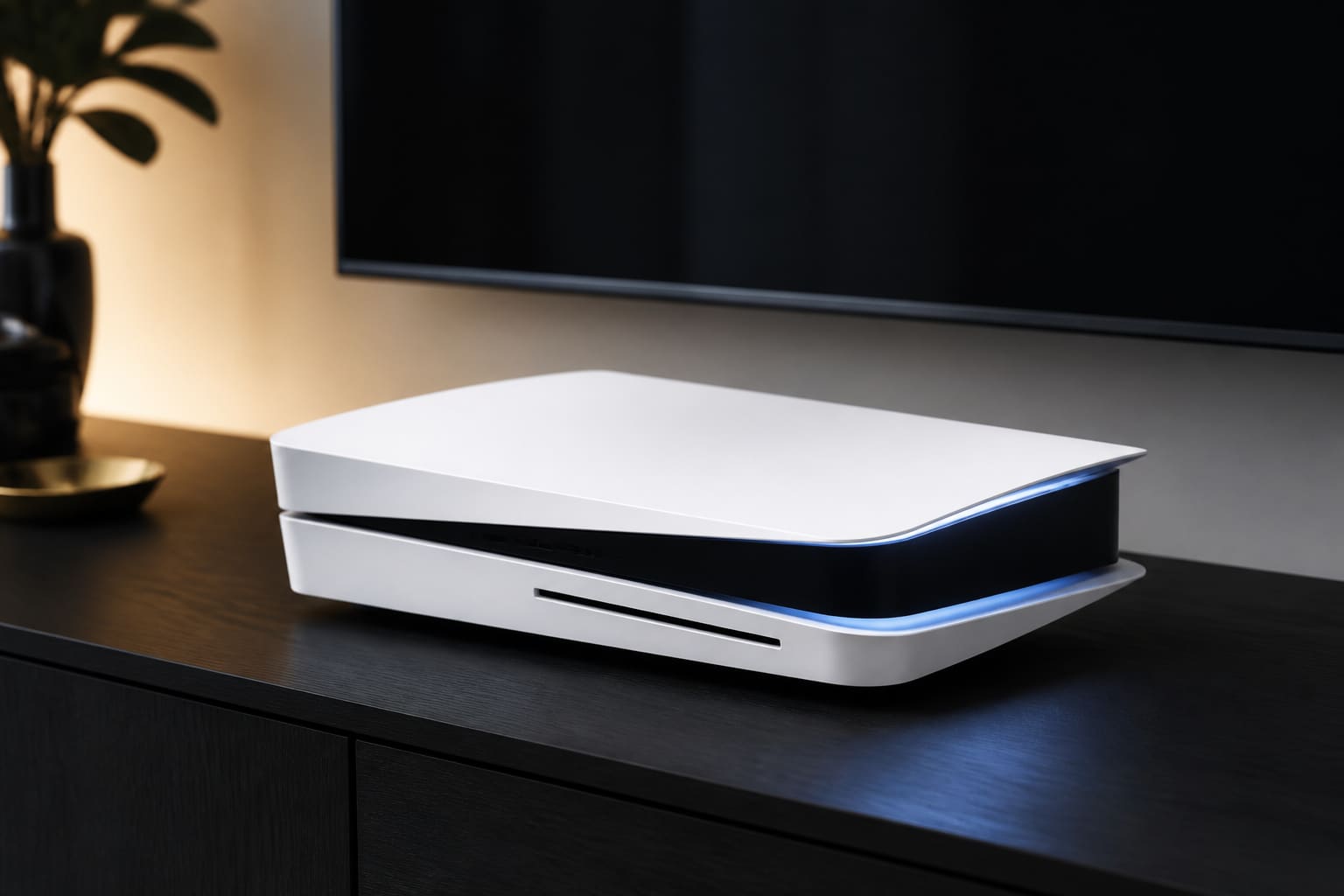
Sony's cloud story is more fragmented. PlayStation Plus Premium includes streaming for classic and some modern titles, but the catalogue skews older and regional availability still frustrates UK players who see US announcements delayed. Remote Play — streaming from your own PS5 over the internet — works well on home networks and tolerably over mobile 5G, but it is not the same as datacentre streaming: you still need the box powered on at home.
For Sony, cloud remains a retention tool for subscribers rather than a platform bet on the scale of Game Pass. That may change as PS6 planning emphasises network features, but today PlayStation streaming is a nice extra, not a system seller.
Amazon Luna, Samsung and the also-rans
Amazon Luna persists in the US with channel-based subscriptions; UK availability remains limited compared with Xbox and Nvidia. Samsung Gaming Hub integrates third-party services on TVs — convenient for sofa play, dependent on TV ethernet or Wi-Fi 6. Neither displaced our primary picks, but they illustrate how streaming is becoming a feature inside TVs and handhelds rather than a standalone app you evangelise.
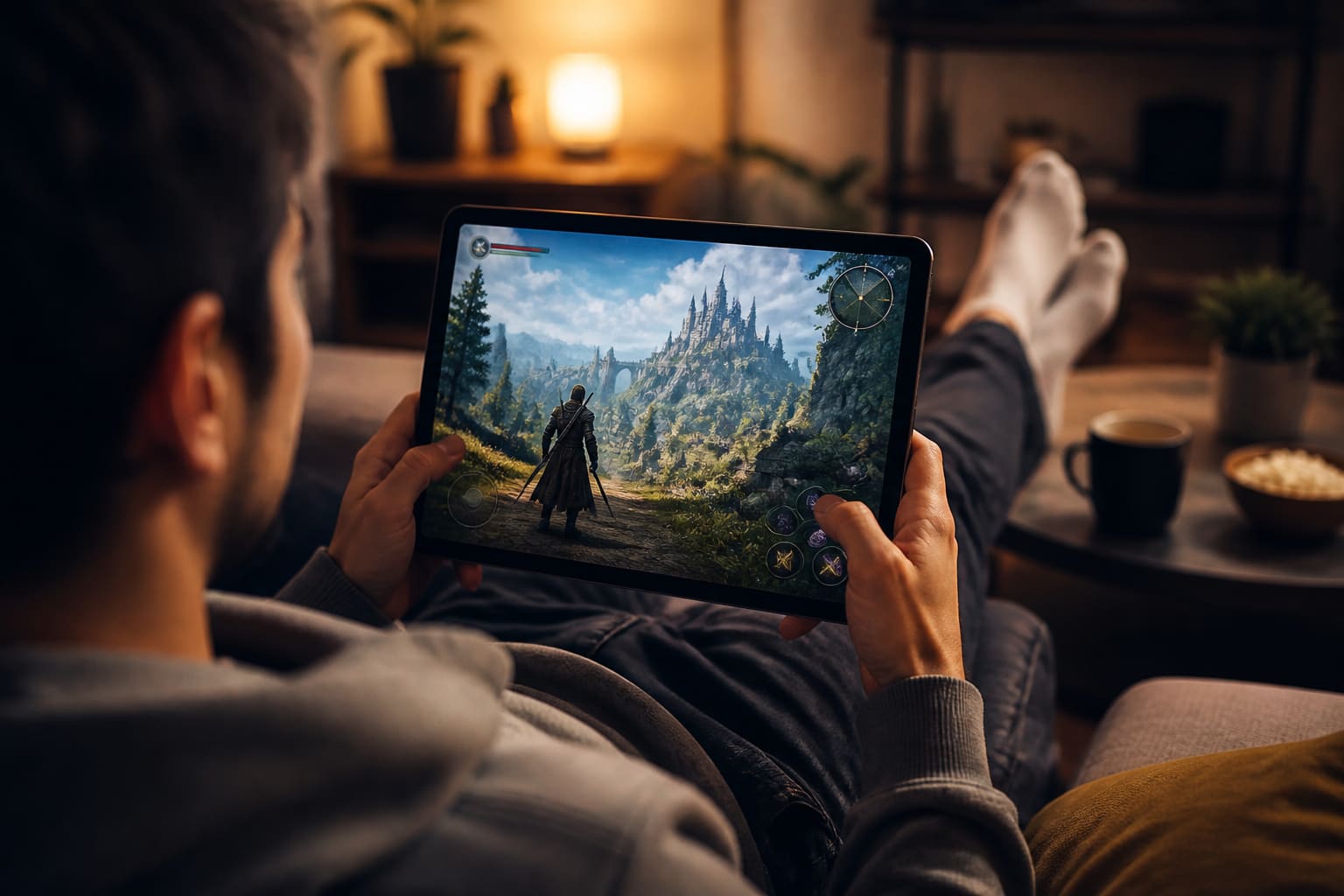
Handheld PCs and phones are the growth surface. Steam Deck cloud via browser, iPad with Backbone controller, Android with 120Hz screens — the client hardware finally matches what datacentres can push at 1080p.
Who should use cloud gaming in 2026
Buy local hardware if you play competitive multiplayer, mod heavily, or live somewhere with unreliable broadband. Consider cloud if you travel often, want to try Game Pass without a console, or need occasional access to a PC-grade library on a laptop. Hybrid households — console under the TV, cloud on the commute — are the realistic end state, not streaming-only utopia.
Watch datacentre expansion in the UK Midlands and northern Europe; edge nodes matter as much as headline Mbps. And keep an eye on ISP fair-use policies: 4K cloud sessions add up if you stream daily. Cloud gaming in 2026 is finally boring in the best way — reliable enough to use, honest enough about limits not to oversell.
Sources
- Microsoft, Xbox Cloud Gaming overview — xbox.com
- Nvidia, GeForce NOW requirements and performance tiers — nvidia.com
- PlayStation, PS Plus streaming and Remote Play documentation — playstation.com