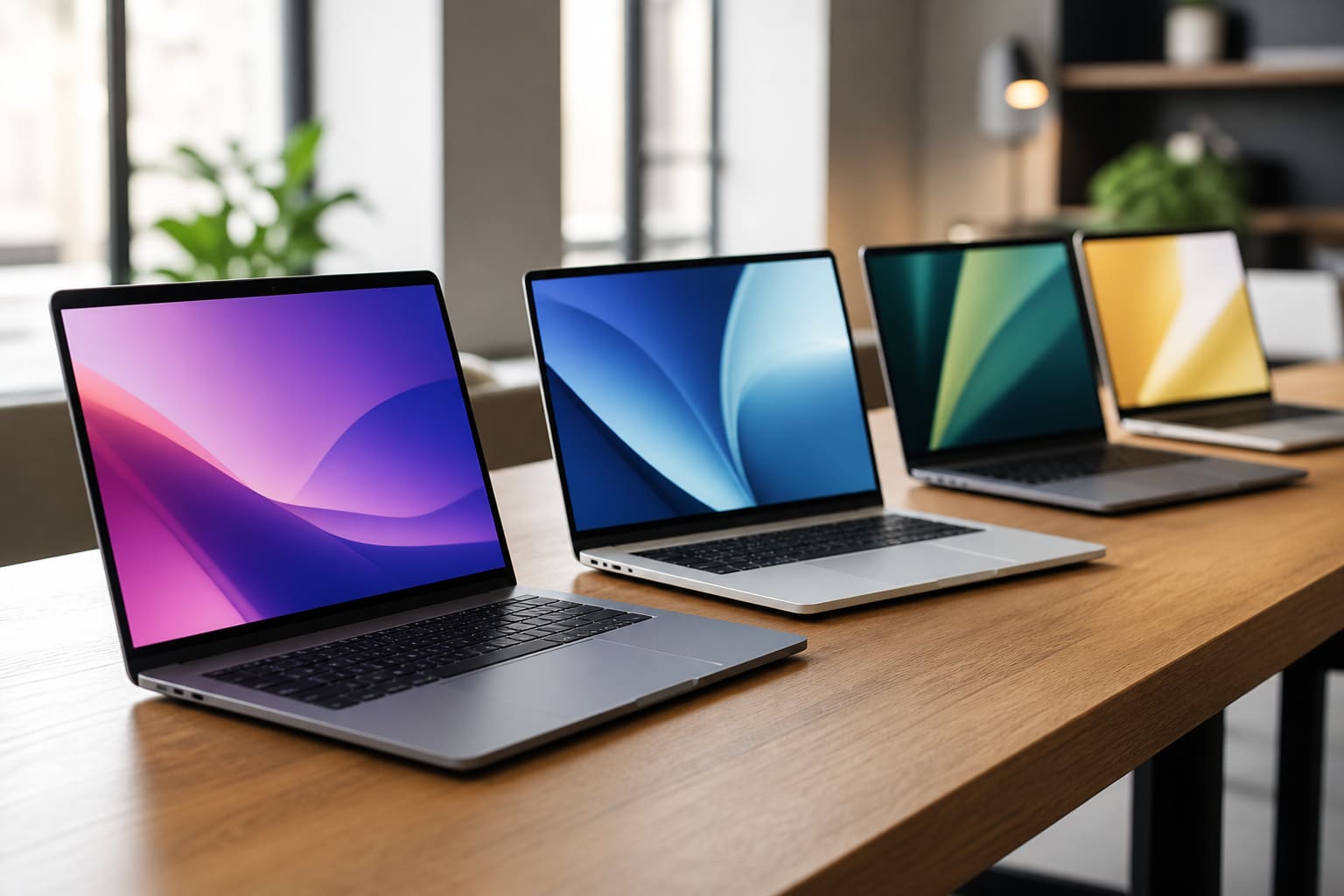
For years, recommending a Chromebook meant apologising in advance. Slow eMMC storage, 4GB RAM, muddy screens and the faint whiff of school ICT cupboard — the category earned scepticism honestly. Something shifted in 2024 and matured in 2025: Google’s Chromebook Plus programme set minimum specs, OEMs stopped racing to the bottom, and AI features arrived that actually run locally instead of promising magic in slide decks alone.
We spent a month rotating three Chromebook Plus models through home offices, train commutes and a primary school homework desk. The conclusion is not that Chromebooks replace MacBook Pros. It is narrower and more interesting: for a large slice of buyers, they are finally the rational buy — cheap, fast enough, secure by default, and free of the maintenance theatre Windows laptops drag with them.
What Chromebook Plus fixed
Chromebook Plus requires at least an Intel Core i3 12th gen or equivalent Ryzen, 8GB RAM, 128GB storage and a 1080p IPS panel. That floor eliminated the worst offenders — the £199 machines that gave the category its reputation. Manufacturers compete on keyboard feel and battery now, not on how aggressively they can throttle a Celeron.
The programme also bundles Gemini features: writing help, generative wallpapers, and on-device summarisation in Google Docs when offline models are available. None of this is revolutionary. Together it signals that Google treats Chrome OS as a consumer platform again, not only an education contract play.

Performance: the gap closed
The Acer Chromebook Plus 514 we tested booted in nine seconds, opened twenty Google Docs tabs without swap stutter, and handled 1080p Zoom calls with background blur enabled. Battery life averaged 11 hours in our mixed script — web, YouTube, Docs, idle. That matches mid-range Windows ultrabooks costing twice as much.
Linux app support on Chrome OS improved quietly. VS Code via Crostini ran a small TypeScript project without pain. Android apps remain inconsistent — fine for Netflix offline, awkward for anything needing precise window management. Know the limits: no full Adobe Creative Cloud, no native Steam beyond light Android titles, no arbitrary x86 binaries without Linux tinkering.
“The web won for how most people compute — Chromebooks just took a while to admit it out loud.”
— Dieter Bohn, former executive editor at The Verge, on the shift toward browser-first computing
Security and simplicity as features
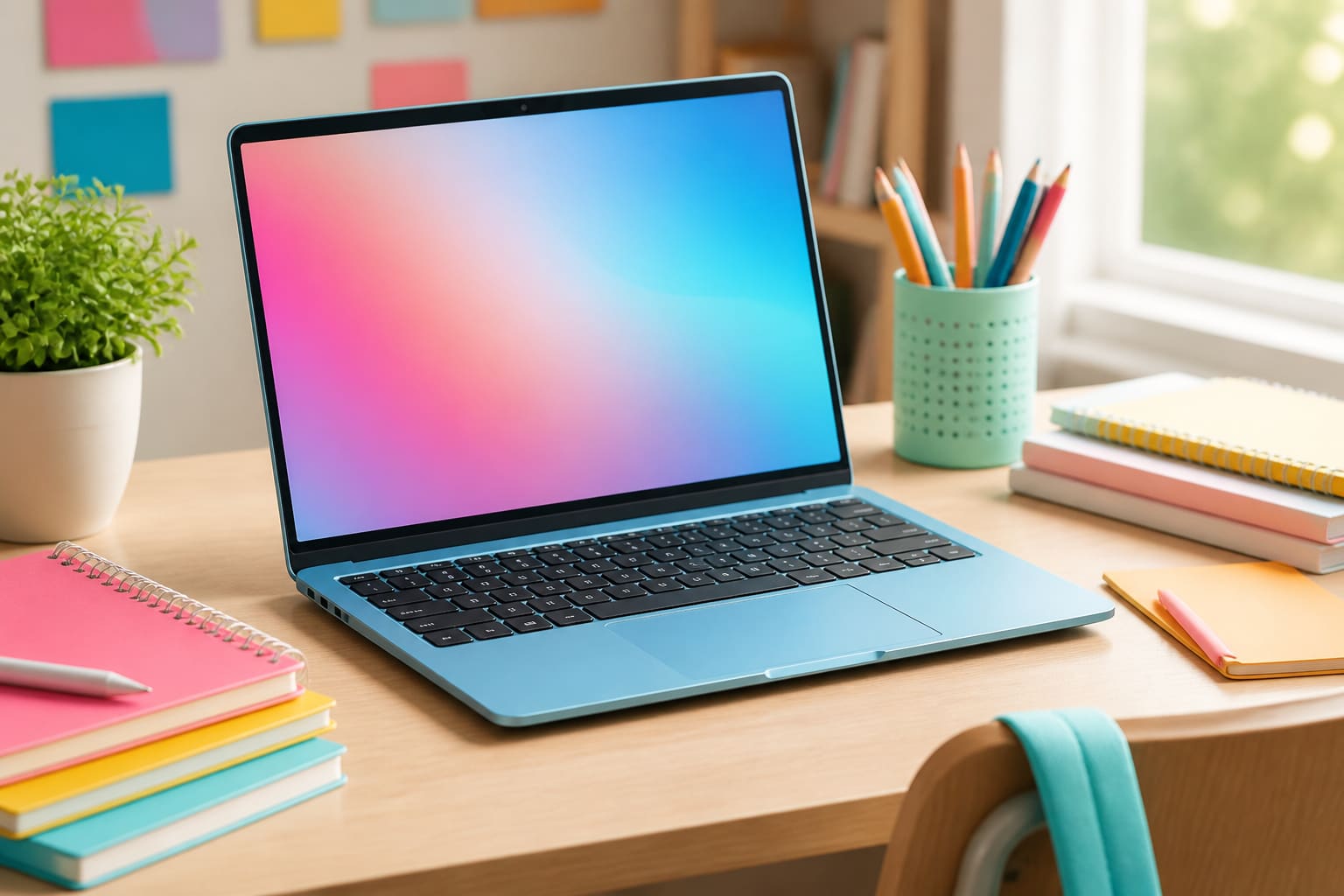
Chrome OS updates silently every four weeks. Sandboxed tabs, verified boot, and Google’s exploit bounty culture mean the attack surface is smaller than on a typical Windows install loaded with years of registry cruft. For parents handing a laptop to a ten-year-old, that matters more than frame rates.
Setup is a Google account sign-in. Backups live in Drive by default. Lost device? Remote logout and encryption remove most panic. IT departments at schools have known this for years; consumers are catching up as “computer maintenance” falls out of hobby status for normal humans.

Where Windows and Mac still win
If your workflow depends on desktop Excel macros, native Premiere Pro, or games beyond GeForce NOW streaming, stop reading and buy accordingly. Creators, engineers and gamers are not the audience. Hybrid workers living in Gmail, Slides, Notion and browser-based CRMs are — and that group is larger than tech Twitter admits.
Windows 12’s Copilot push may claw back some narrative for Microsoft on cheap hardware. Intel’s latest Core Ultra chips in £600 Windows laptops are compelling. But those machines still carry update pop-ups, antivirus nags and the occasional driver adventure. Chromebooks trade flexibility for calm. For many, that is a fair swap.
Price and longevity
Good Chromebook Plus models sit between £400 and £600 — half a MacBook Air, roughly par with budget Windows machines that feel worse in hand. Google commits to automatic updates for ten years on new Chromebook Plus devices, addressing the old “expiry date” criticism that made headlines in 2020. Check AUE dates before buying clearance stock; new Plus units are covered.
Resale value is weak. Treat a Chromebook as a consumable appliance that should earn its keep over four or five years, then recycle responsibly. At these prices, that maths works for households and small businesses that would otherwise stretch budgets on overpowered laptops never taxed beyond Netflix.
The renaissance is real — and limited
Calling it a renaissance is not hype. Sales flattened in 2023, then grew again in 2025 as Plus-branded devices landed on retail shelves beside cheap Windows alternatives shoppers could compare side-by-side. Reviews improved. Return rates dropped. The category stopped being a punchline.
The ceiling remains. Chromebooks are not universal computers. They are optimised appliances for a cloud-heavy world — and in 2026, that world is most people most of the time. Buy one if your software tab list is your workflow. Skip one if your workflow is software tabs plus a dozen .exe files you cannot live without. The renaissance is knowing the difference without shame on either side.
Sources
- Intel, Chromebook platform and processor overview — intel.com
- Microsoft, Windows 11 system requirements — microsoft.com
- The Verge, Chromebook Plus launch and review coverage — theverge.com