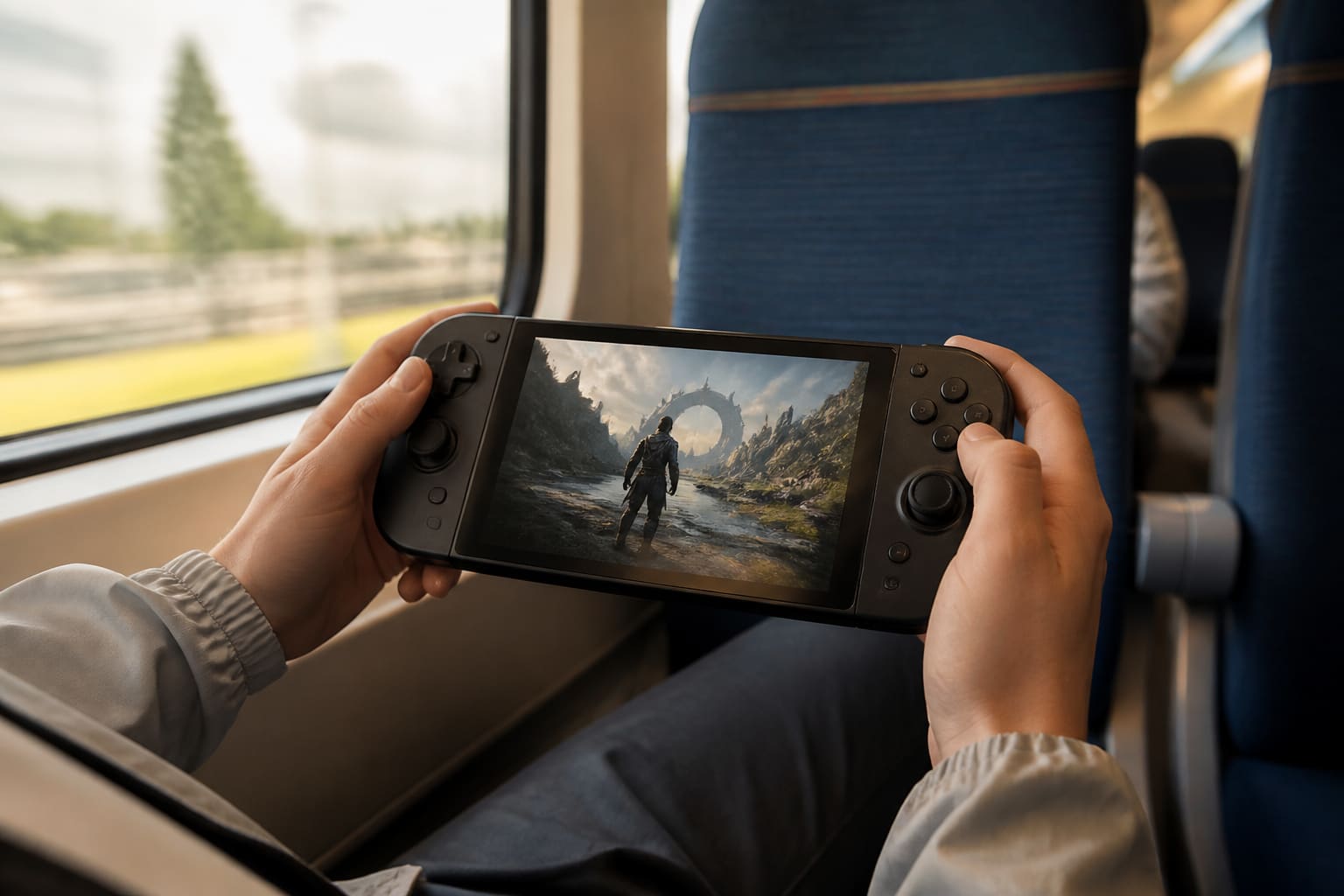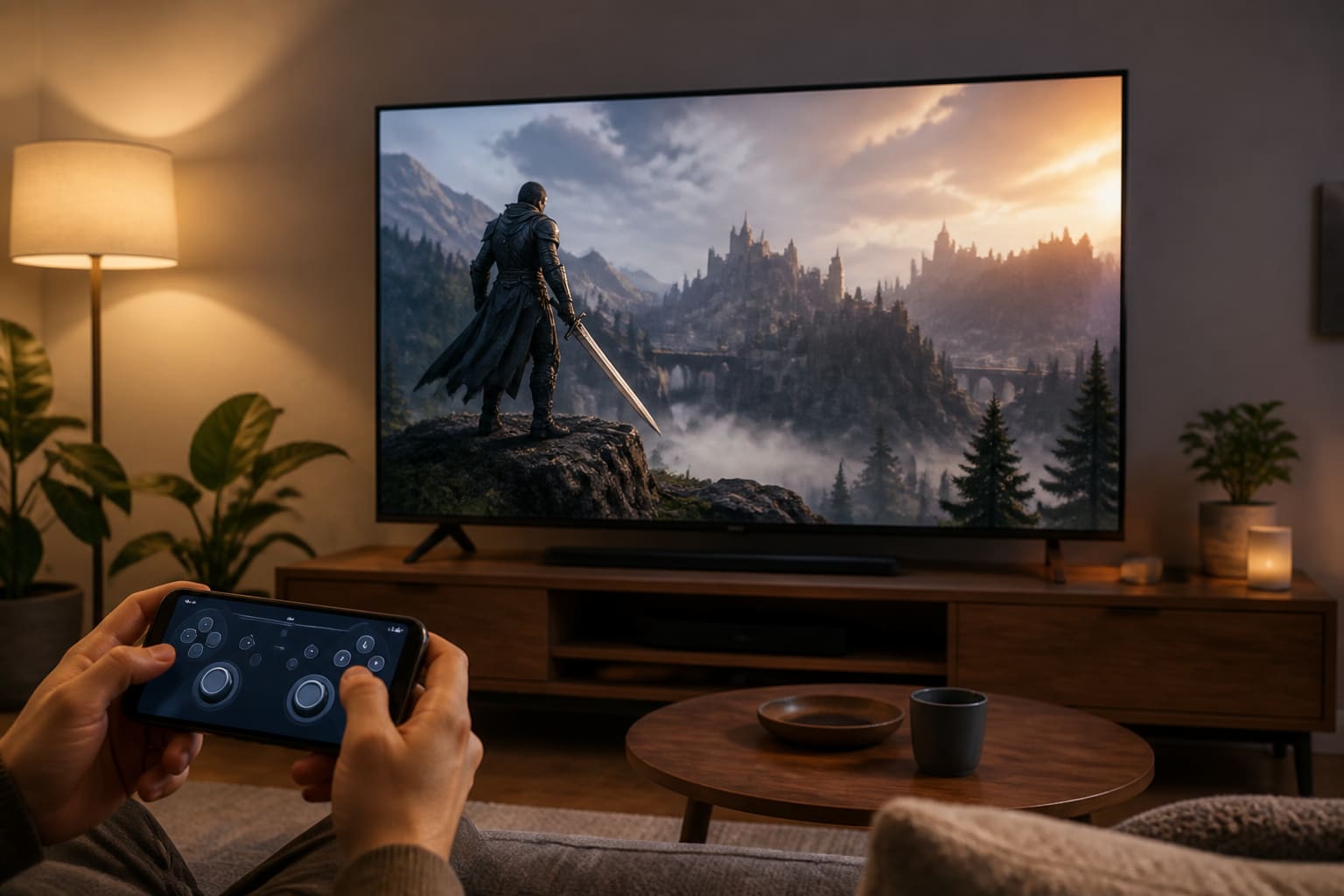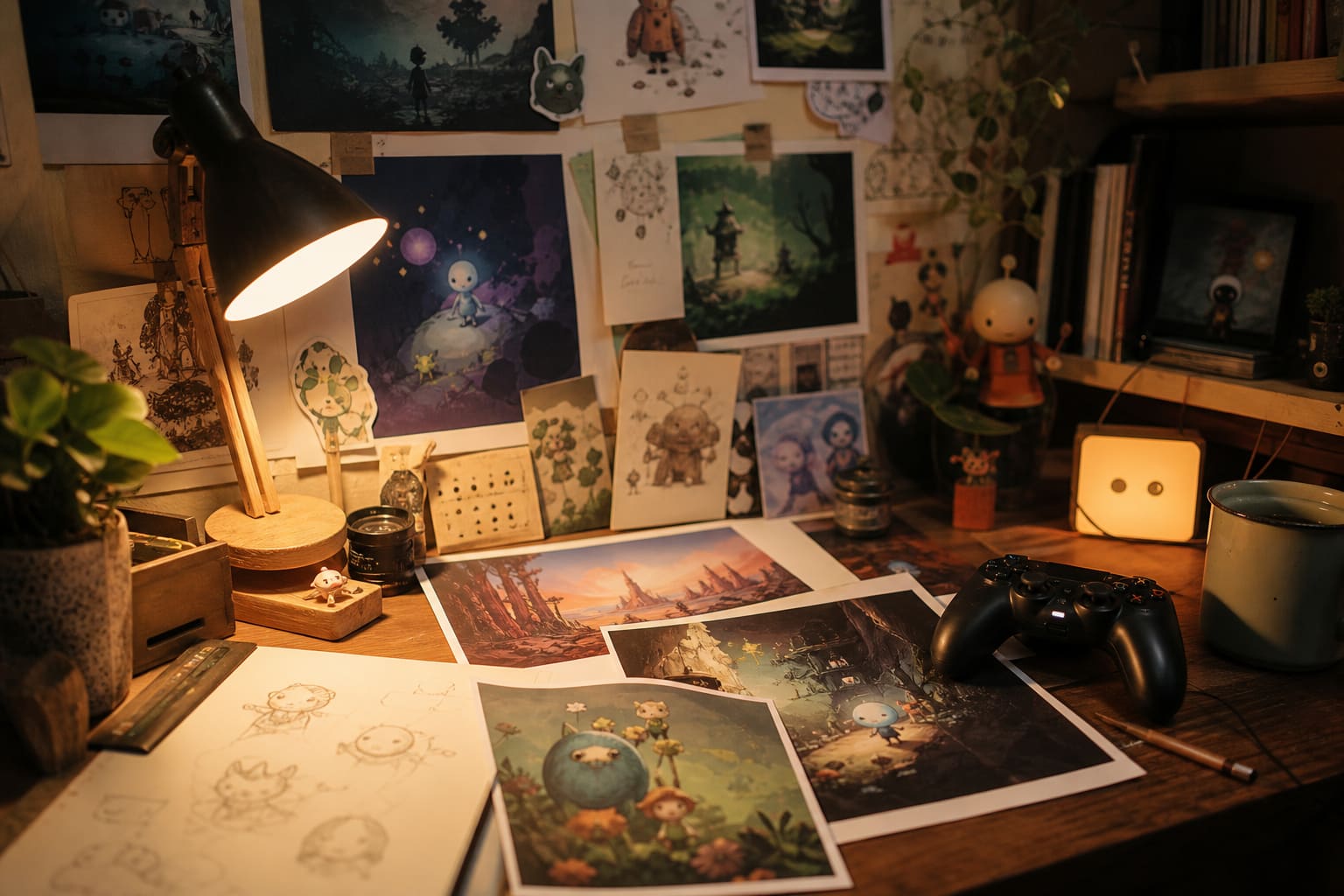
Every year someone declares that indie games are having a moment, as if the moment ever stopped. What changes is where the money flows — Steam Next Fest demos, Game Pass day-one deals, Nintendo eShop featuring — and which genres catch the algorithmic tailwind. Early 2026 has been unusually strong for narrative experiments and roguelikes that respect your time, with a few sublime puzzle boxes thrown in for people who want silence instead of loot drops.
We picked seven standouts we finished or sank serious hours into. None require a £70 graphics card upgrade; most run happily on a Steam Deck or last-gen console. The list skews PC and Switch because that is where indies still land first, but several titles are already porting to PlayStation and Xbox.
Hollow Meridian — the Metroidvania with a conscience
Team Lantern's Hollow Meridian looks like another castle map with double-jump icons. It is not. You play a courier navigating a flooded city-state where every ability unlock doubles as a political choice — open a floodgate to reach a new district and you drown a neighbourhood you visited hours earlier. The guilt is the mechanic.
Combat is tighter than it first appears: parries matter, and boss patterns reward observation over grinding levels. At twelve hours for a thorough run, it is the rare Metroidvania that does not overstay its welcome. Switch performance is solid docked; handheld drops occasional frames in rain-heavy scenes but stays playable.
Diceyard — roguelike deckbuilding with actual humour
Deckbuilders are everywhere; funny ones are rare. Diceyard casts you as a retired casino inspector dragged back to audit a dungeon that runs on rigged probability. Instead of mana you spend credibility; instead of poison you apply audit findings. It sounds precious. It works because the writing is dry rather than quirky-for-quirky's-sake.
Runs last forty-five minutes if you know what you are doing, ninety if you do not — perfect for weeknight sessions. The demo broke Steam review records in January; the full release kept the pacing intact. If you bounced off Slay the Spire's austerity, try this.
"Indie games do not need photorealism. They need a point of view you have not seen in forty-hour open worlds."
— Chris Adeyemi, in our January staff picks newsletter
Station North — co-op cooking chaos on a space tram
Overcooked exists; Station North asks what happens when the kitchen is a moving train and the customers are aliens with incompatible diets. Two to four players prep meals while the tram switches tracks, loses gravity and occasionally catches fire — standard service, according to the tutorial.
Online co-op held up across UK and EU servers in our tests, with only minor desync when four players spam interact buttons. Solo play is possible via AI crewmates, but this is a friends game. Perfect antidote to grim extraction shooters.
Quiet Protocol — puzzles for people who hate jump scares
Horror indies often confuse loud noise with tension. Quiet Protocol is almost entirely about listening: you tune analogue equipment to isolate signals in a abandoned research station. No combat, no inventory Tetris — just knobs, waveforms and the creeping sense that you are decoding something that should stay buried.
It is not for everyone. It is absolutely for anyone who loved Obra Dinn but wanted less death and more radio static.

Paper Rail Empires — strategy that fits in a lunch break
Transport sims can drown in spreadsheets. Paper Rail Empires strips the genre to colourful nodes and hand-drawn carriages, then adds just enough economic depth that your third map feels different from your first. We lost a Tuesday lunch hour chain-building commuter lines across a fictional Baltic coast — high praise.
Available on PC and Switch; touch controls on handheld are surprisingly competent for a genre that usually demands a mouse.
What we are watching next
March brings Whalefall, a narrative diving sim from a two-person team in Bergen, and Rust City, a tactical game about municipal robots that has been quietly winning festival awards. Both highlight the trend we expect all year: indies choosing specific cities, jobs and subcultures instead of generic fantasy continents.
If you are hunting demos, Steam Next Fest remains the best calendar marker. For Switch owners, keep an eye on Nintendo's indie showcases — they still move sales more than any Twitter thread. And if one of these games clicks, buy it. Full-price indie purchases are how the next Hollow Knight gets funded.
Sources
- Steam, Next Fest and indie game charts — steampowered.com
- Nintendo, Indie World showcase archives — nintendo.com
- Eurogamer, indie game reviews and recommendations — eurogamer.net